How GST Transformed Warehousing Strategy in India
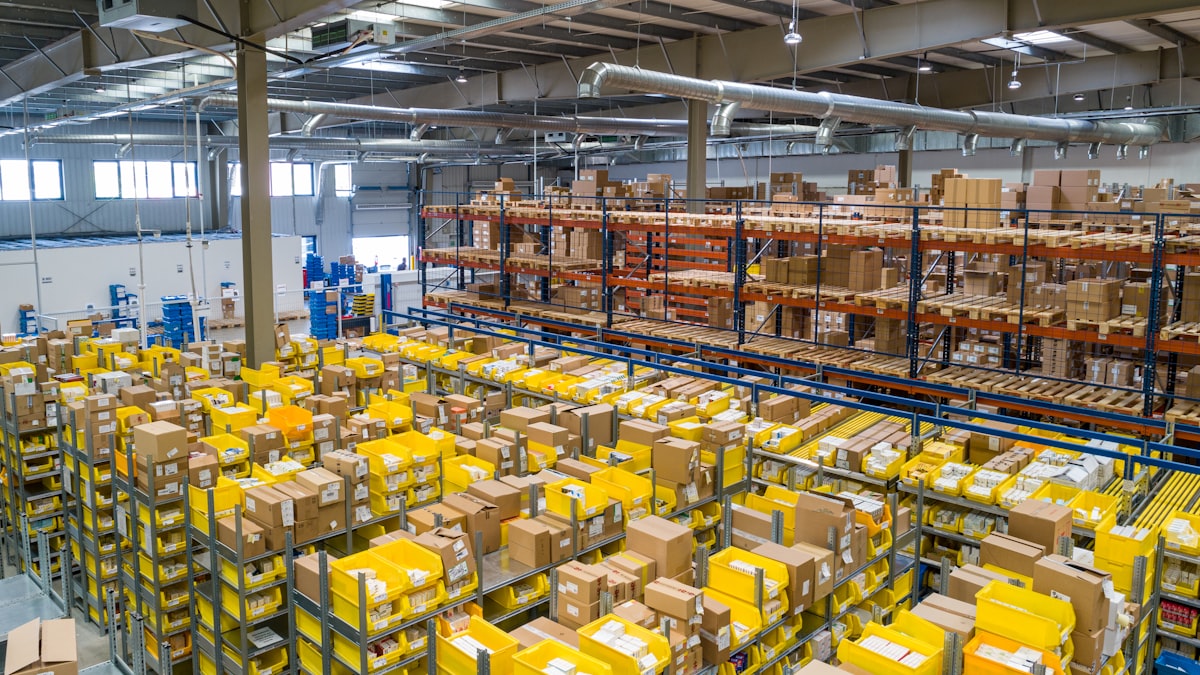
Before the Goods and Services Tax (GST) was implemented on July 1, 2017, foreign companies operating in India typically maintained warehouses in every state where they sold products. The reason was purely tax-driven: each state levied its own value-added tax (VAT), central sales tax (CST), and entry taxes, creating a system where inter-state movement of goods triggered cascading tax liabilities. Companies routinely operated 15-25 warehouses across India, not because logistics demanded it, but because the pre-GST tax structure penalised centralised distribution.
GST eliminated this distortion entirely. By subsuming over 17 indirect taxes into a single unified tax, GST reshaped centralised distribution and warehouse strategy, removing the tax incentive for maintaining state-level warehouses. The result has been a fundamental restructuring of supply chains across India. Companies that previously operated 20+ warehouses have consolidated into 4-6 regional hubs, adopting hub-and-spoke distribution models that reduce warehousing costs by 20-30% and distribution costs by 8-12%.
For foreign companies entering India or optimising existing Indian operations, understanding how GST interacts with warehousing decisions is now a core strategic competency. The decisions are no longer about tax avoidance but about logistics efficiency, customer proximity, and state-level incentive maximisation.
GST Registration and Multi-State Warehousing
When You Need State-Wise GST Registration
Under GST, a business must obtain a separate GST registration in every state where it has a "fixed establishment" or "place of business." A warehouse qualifies as a fixed establishment. This means a foreign company with warehouses in Maharashtra, Karnataka, and Tamil Nadu needs three separate GST registrations (GSTINs), one for each state.
Key implications for warehousing strategy:
- Intra-state supply: Goods moved from a warehouse to a customer within the same state attract CGST + SGST (combined rate same as IGST). Input Tax Credit (ITC) is available against output tax.
- Inter-state supply: Goods moved from a warehouse in one state to a customer in another state attract IGST. Full ITC is available, and the credit can be used against any GST liability.
- Stock transfers: Movement of goods from one warehouse to another warehouse of the same entity (even in a different state) is treated as a "supply" under GST and is subject to IGST at the applicable rate. ITC is available on such transfers.
ITC Optimisation Across Warehouses
Input Tax Credit is the mechanism by which businesses avoid cascading taxation under GST. For warehousing operations, ITC management across multiple state registrations is critical:
- ITC on warehouse rent: GST paid on warehouse rental (typically 18%) is fully available as ITC against output tax liability
- ITC on logistics services: GST on transportation (5% for GTA services without ITC, or 18% with ITC since the 12% slab was abolished under GST 2.0 effective 22 September 2025) and warehousing services is available as ITC
- Cross-utilisation: IGST credit can be used to offset CGST, SGST, or IGST liability. CGST credit can offset CGST or IGST. SGST credit can offset SGST or IGST. However, CGST and SGST credits cannot offset each other.
- ITC claim deadline: ITC must be claimed by November 30 of the following financial year or by the date of filing the annual GST return (GSTR-9), whichever is earlier
GST Rate Rationalisation (GST 2.0, effective 22 September 2025)
Under the GST 2.0 reforms, the 12% and 28% slabs were abolished and the structure collapsed to 5% and 18% (plus a 40% demerit rate). Key changes relevant to warehousing and logistics include multimodal freight services now taxed at 5% where no air leg is involved (18% with full ITC if any air transport leg is included), the GTA 12%-with-ITC option raised to 18% (the flat 5% without-ITC option retained), and a continued 18% rate on warehousing and storage services. These changes affect the economics of multimodal logistics for foreign companies managing India-wide distribution networks.
Free Trade Warehousing Zones (FTWZs) and Bonded Warehouses
FTWZs: Duty-Free Storage for Foreign Goods
Free Trade Warehousing Zones are a powerful but underutilised tool for foreign companies. Classified as a category of Special Economic Zone under Indian law, FTWZs allow businesses to import, store, and re-export goods without paying customs duties or GST. India has 9 notified FTWZs as of 2025, located near major ports and logistics hubs.
Key benefits for foreign companies:
- Customs duty deferral: Goods stored in an FTWZ are treated as being outside Indian customs territory. Customs duty is payable only when goods are cleared for domestic consumption.
- GST exemption: Both purchases and services within the FTWZ are exempt from GST, including transportation and warehousing services
- 100% FDI: Foreign direct investment up to 100% is permitted in FTWZ units under the automatic route
- No permanent establishment: Foreign suppliers can operate through FTWZ units without triggering permanent establishment risk in India, allowing them to manage inventory without a full Indian entity
- Value-added services: FTWZs permit packaging, labelling, sorting, kitting, and quality inspection within the zone
Customs Bonded Warehouses
For companies that do not need the full FTWZ infrastructure, Customs Bonded Warehouses (CBWs) offer a simpler alternative. CBWs allow imported goods to be stored with customs duty deferred until clearance for domestic use. If goods are re-exported, no duty is payable at all. CBWs are available across India, including in Tier-2 cities, making them more geographically accessible than FTWZs.
For a detailed comparison of bonded warehousing options, see our guide on bonded warehouses and free trade warehousing zones.
State-by-State Warehousing Incentives and Logistics Policies
Maharashtra Logistics Policy 2024
Maharashtra's logistics policy targets the development of 100+ logistics parks across the state. Incentives include interest subsidies on term loans, stamp duty exemptions for logistics infrastructure, technology upgrade support, and employment generation subsidies. The policy is expected to create 500,000 direct and indirect jobs and generate approximately INR 30,573 crore in revenue across 10,000+ acres of logistics infrastructure. Key locations include the Mumbai-Pune corridor, Nagpur (home to India's first operational Multimodal Logistics Park under PM Gati Shakti), and the upcoming Navi Mumbai International Airport logistics zone.
Uttar Pradesh Warehousing and Logistics Policy 2022
UP has approved 38 private logistics and warehousing projects worth INR 2,600 crore across multiple cities. The policy offers capital investment subsidies, tax exemptions on stamp duty, and land allotment through industrial development authorities. UP's central geographic location makes it a natural hub for North India distribution, with Lucknow, Noida, and Agra emerging as key warehousing destinations.
Rajasthan Logistics Infrastructure Policy
Rajasthan offers a capital subsidy of 25% for building logistics infrastructure (up to INR 15 crore), subsidies for equipment and machinery purchases (up to INR 1 crore), and interest subsidies of 7% on term loans for up to 7 years. For multimodal logistics hubs, the subsidy cap increases to INR 2.5 crore, while standard logistics parks can receive up to INR 1.5 crore in interest support.
Goa Warehousing Incentive Scheme 2025
Goa's scheme provides skill development subsidies of INR 5,000 per worker (up to 1,000 workers per year), capital investment support of 10-15% reimbursement of eligible fixed capital investment (capped at INR 50 lakh per unit), and interest subsidies of 50% for 3-5 years (up to INR 25 lakh annually).
Chhattisgarh Logistics and Warehousing Policy 2025
The newest entrant, Chhattisgarh's policy offers attractive incentives for investors in logistics infrastructure, positioning the state as a central India logistics hub connecting the eastern and western seaboards.
PM Gati Shakti and Multimodal Logistics Infrastructure
The National Master Plan
PM Gati Shakti, launched in 2021, is India's INR 11.17 lakh crore infrastructure master plan that integrates 57 ministries and 36 states on a 1,700-layer GIS platform. For foreign companies planning warehousing strategy, this platform reveals planned infrastructure developments, including new highways, railway freight corridors, inland waterways, and airport cargo terminals that will reshape logistics economics over the next 5-10 years.
Multimodal Logistics Parks (MMLPs)
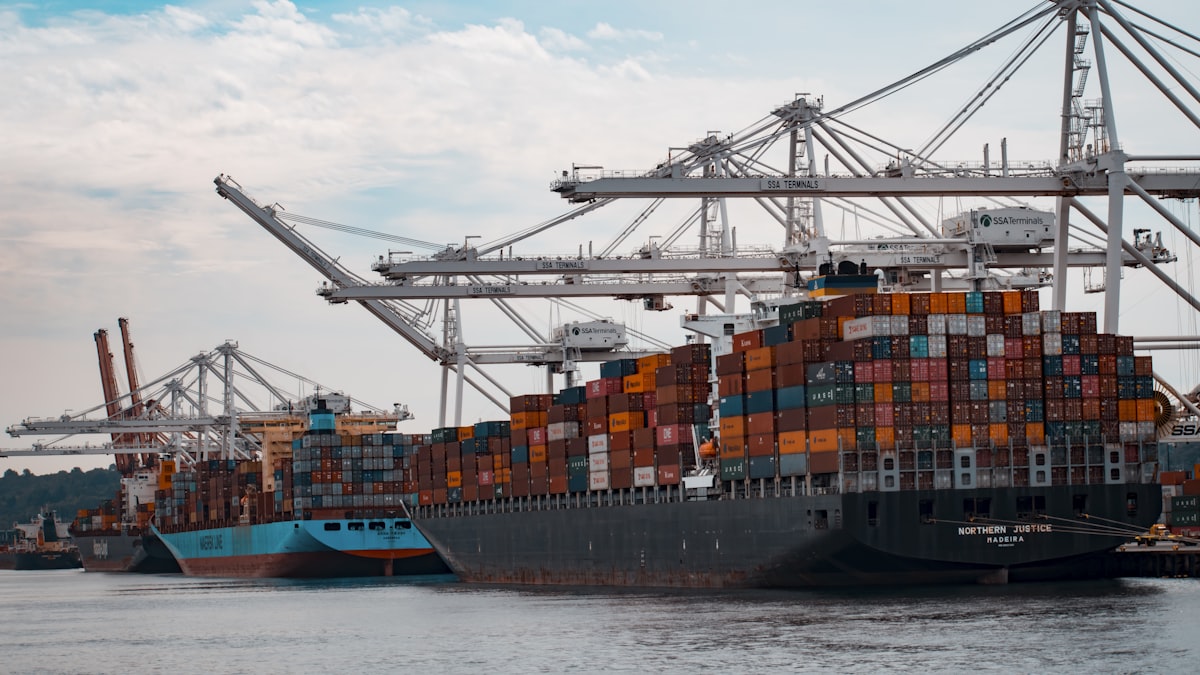
India has approved 35 Multimodal Logistics Parks that will combine road transport, rail freight, inland waterways, and air cargo into integrated logistics hubs. The first MMLP became operational in Nagpur in 2025 under NHLML (National Highways Logistics Management Limited), a subsidiary of NHAI. These parks will reduce logistics costs by 15-20% by eliminating multiple handling, providing seamless intermodal connectivity, and co-locating warehousing with transport infrastructure.
For foreign companies, MMLPs offer a strategic advantage: locating warehouses at or near MMLPs provides access to multiple transport modes, reducing last-mile delivery costs and transit times across India's vast geography.
Dedicated Freight Corridors
The Eastern and Western Dedicated Freight Corridors (DFCs) are game-changers for warehousing strategy. The Western DFC connects JNPT (Mumbai) to Dadri (near Delhi), while the Eastern DFC runs from Ludhiana to Dankuni (near Kolkata). With double-stack container capability and scheduled freight services, DFCs reduce transit times by 40-50% compared to existing rail freight. Warehousing clusters are emerging along DFC nodes, including Rewari, Ahmedabad, Vadodara, and Allahabad.
Technology-Driven Inventory Management in Indian Warehouses
IoT and Real-Time Tracking
Modern warehouses in India are rapidly adopting IoT-based inventory management systems. Smart sensors provide real-time visibility into stock levels, temperature conditions (critical for pharmaceutical and food warehousing), and location tracking within the warehouse. Companies leveraging IoT report efficiency gains of up to 20% in inventory accuracy and picking speed.
Predictive Analytics for Demand Forecasting
India's highly seasonal and festival-driven consumer market makes demand forecasting particularly challenging. Advanced analytics platforms using machine learning are helping foreign companies predict demand patterns across Indian states, accounting for regional festivals (Diwali, Pongal, Durga Puja), monsoon seasonality, and e-commerce sale events (Big Billion Days, Great Indian Festival). Accurate demand forecasting reduces both stockout losses (estimated at 3-5% of revenue for FMCG companies in India) and excess inventory carrying costs.
Warehouse Management Systems (WMS)
For foreign companies used to SAP or Oracle WMS in their home markets, Indian operations require WMS platforms that integrate with the GST compliance ecosystem. Systems must generate e-way bills for inter-state movement (mandatory for goods above INR 50,000), manage multi-GSTIN inventory across state warehouses, and provide real-time ITC reconciliation. Leading Indian WMS platforms include Increff, Unicommerce, and Vin eRetail, alongside global platforms with Indian GST modules.
Warehousing Strategy by Company Type
E-Commerce Companies
Foreign e-commerce companies operating in India under the marketplace model (note: the inventory-based model is prohibited for foreign-owned entities) need fulfilment centres in 8-12 cities for next-day delivery coverage. Key locations include NCR (Delhi), Mumbai, Bangalore, Hyderabad, Chennai, Pune, Kolkata, and Ahmedabad. Tier-2 cities like Lucknow, Jaipur, and Coimbatore are emerging as secondary fulfilment hubs to serve India's fast-growing semi-urban demand.
Manufacturing Companies
Foreign manufacturers typically need raw material warehouses near their factories, finished goods warehouses at distribution hubs, and potentially a bonded warehouse or FTWZ facility near a port for import/export operations. The optimal model post-GST is 3-5 regional distribution centres (North, South, East, West, Central) with last-mile delivery handled by third-party logistics providers.
Trading Companies
Foreign trading companies importing goods for resale in India should evaluate FTWZ-based models where goods are stored duty-free until domestic orders are confirmed. This eliminates the working capital burden of paying customs duty upfront on entire import shipments and allows flexible allocation of inventory across India based on actual demand signals.
Cost Benchmarks for Warehousing Across Indian States
| Location | Warehouse Rent (INR/sq ft/month) | Grade | Key Advantage |
|---|---|---|---|
| Mumbai (Bhiwandi) | 22-28 | Grade A | Port proximity, consumer market |
| NCR (Manesar/Palwal) | 18-24 | Grade A | North India hub, DFC access |
| Bangalore (Hosur Road) | 20-26 | Grade A | South India tech/consumer hub |
| Chennai (Oragadam) | 16-22 | Grade A | Port access, auto cluster |
| Pune (Chakan/Talegaon) | 18-22 | Grade A | Manufacturing corridor |
| Hyderabad (Shamshabad) | 16-20 | Grade A | Pharma/IT, airport proximity |
| Lucknow | 12-16 | Grade B+ | Central India distribution |
| Kolkata (Dankuni) | 14-18 | Grade A | East India hub, DFC terminus |
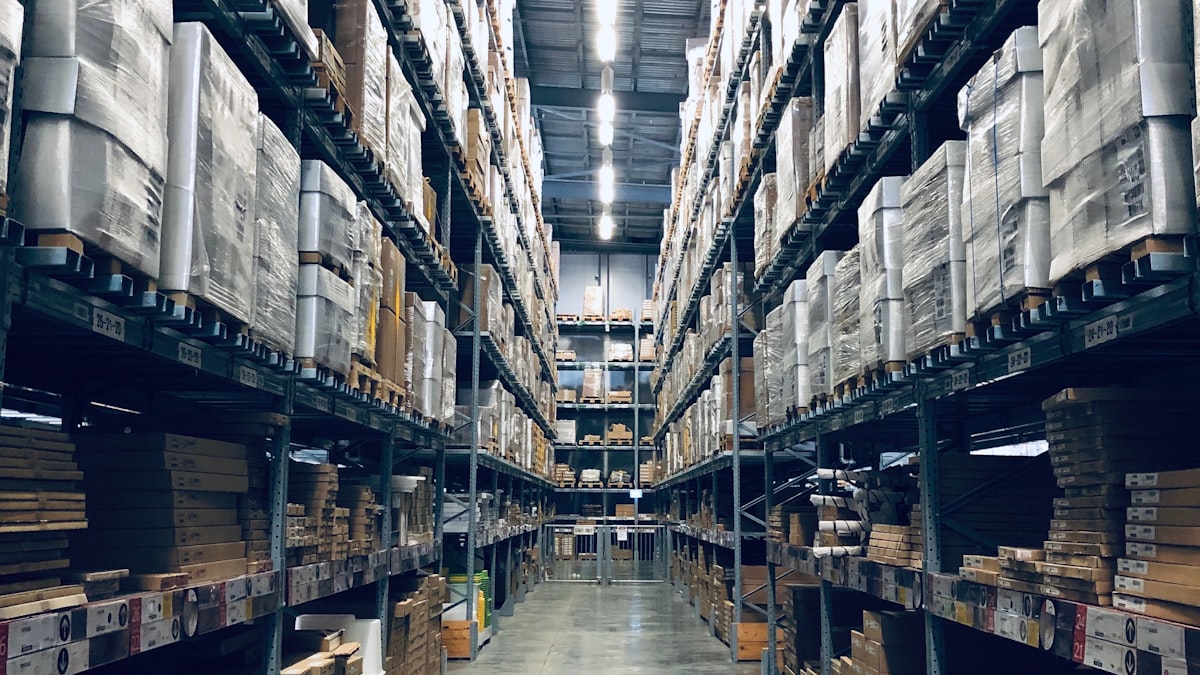
These rates are for Grade A warehousing facilities with standard specifications (10m+ clear height, floor load capacity of 5 tonnes/sqm, dock-level loading, fire sprinklers). Tier-2 city rates are typically 30-40% lower than Tier-1 benchmarks.

Compliance Requirements for Foreign-Owned Warehouses
Foreign companies operating warehouses in India must comply with several regulatory requirements beyond GST:
- FEMA compliance: All investment in warehouse infrastructure by foreign entities must comply with FEMA regulations, including FC-GPR reporting for equity investment and FLA Return filing
- E-way bills: Mandatory electronic permit for movement of goods worth over INR 50,000 between or within states
- FSSAI licence: Required for warehouses storing food products
- Drug licence: Required for warehouses storing pharmaceutical products
- Fire safety certification: Mandatory for all warehousing facilities above specified area thresholds
- Environmental clearance: Required for large logistics parks and cold storage facilities using refrigerants
For a comprehensive overview of compliance obligations, see our annual compliance checklist for foreign-owned companies in India.
E-Way Bill Compliance for Warehouse Operations
When E-Way Bills Are Required
The e-way bill system is a critical compliance requirement for any company operating warehouses in India. An e-way bill must be generated on the GST portal (ewaybillgst.gov.in) before dispatching goods valued above INR 50,000 from any warehouse, whether the movement is inter-state or intra-state. For foreign companies managing multiple warehouses, this means every stock transfer, customer shipment, and returns movement above the threshold requires digital documentation.
Practical Compliance Tips
E-way bills are valid for defined distances and durations: 200 km per day for regular cargo and 300 km per day for over-dimensional cargo. Bills can be extended if transit is delayed due to vehicle breakdown, natural calamity, or law-and-order situations. Companies should integrate e-way bill generation into their warehouse management systems to avoid manual errors. Penalties for transporting goods without a valid e-way bill include INR 10,000 or the tax amount evaded, whichever is higher, plus possible seizure of goods and vehicle.

Cold Chain and Specialised Warehousing
Cold Storage Infrastructure
India's cold chain infrastructure has grown significantly but remains underdeveloped relative to demand. The country has approximately 40 million tonnes of cold storage capacity, concentrated in states like UP, West Bengal, Gujarat, and Maharashtra. For foreign companies in food, pharmaceuticals, or chemicals requiring temperature-controlled storage, key considerations include FSSAI compliance for food grade facilities, CDSCO requirements for pharmaceutical warehouses, and state-specific pollution control board clearances for refrigerant usage.
The government's Pradhan Mantri Kisan Sampada Yojana (PMKSY) provides capital subsidies of up to 35% for cold chain infrastructure investment, including pre-cooling units, ripening chambers, and reefer transport. Foreign companies can access these subsidies through their Indian subsidiaries, making cold chain investment in India significantly more affordable than comparable markets in Southeast Asia.
Hazardous Goods Warehousing
Foreign chemical, pharmaceutical, and industrial companies face additional regulatory requirements for hazardous goods warehousing in India. PESO (Petroleum and Explosives Safety Organisation) licences are mandatory for storing flammable, explosive, or compressed gas materials. The Manufacture, Storage and Import of Hazardous Chemical Rules, 1989 (amended 2000) specify site selection, safety distances, emergency planning, and reporting requirements. Companies should note that hazardous goods warehousing permits are state-specific and require separate applications in each state of operation.
Third-Party Logistics (3PL) vs. Own Warehousing
When to Use 3PL Providers
For foreign companies entering India, third-party logistics providers offer a lower-risk entry strategy for warehousing. India's 3PL market is valued at approximately USD 55-60 billion and growing at 8-10% annually. Major 3PL providers with pan-India warehousing networks include DHL Supply Chain, Mahindra Logistics, TVS Supply Chain Solutions, Delhivery, and Allcargo Logistics. Using 3PLs avoids the capital expenditure of warehouse construction, eliminates the need for separate GST registration in every state (the 3PL handles this), and provides scalability as demand patterns become clearer.
When to Build or Lease Your Own
Own warehousing makes sense when: annual warehousing spend exceeds INR 10-15 crore (indicating scale that justifies capital investment), product handling requires specialised training or equipment that 3PLs may not provide, security or IP concerns make shared warehousing unacceptable, or transfer pricing considerations favour a cost-plus model with an in-house logistics subsidiary. Many foreign companies adopt a hybrid approach: own warehousing at 2-3 primary hubs and 3PL for secondary and tertiary distribution points.
Key Takeaways
- Post-GST consolidation: Reduce warehouses from 15-25 to 4-6 regional hubs using hub-and-spoke models; typical cost savings of 20-30% on warehousing and 8-12% on distribution
- FTWZ advantage: Foreign companies can store goods duty-free and GST-free in 9 FTWZs across India, with 100% FDI under automatic route and no permanent establishment risk
- State incentives: Maharashtra, UP, Rajasthan, Goa, and Chhattisgarh offer capital subsidies of 10-25%, interest subsidies, and stamp duty exemptions for logistics infrastructure
- PM Gati Shakti: Plan warehousing locations along the 35 approved Multimodal Logistics Parks and Dedicated Freight Corridor nodes for optimal connectivity
- ITC management: Ensure correct cross-utilisation of IGST, CGST, and SGST credits across multi-state GSTINs; claim ITC before the November 30 deadline of the following financial year
- 3PL vs. own: Use 3PL providers for market entry and scale discovery; transition to own warehousing when annual logistics spend exceeds INR 10-15 crore and demand patterns stabilise
Need help with Supply Chain? Our team handles it.
Import Export Code (IEC) RegistrationFrequently Asked Questions
Do I need separate GST registration for each warehouse in India?
Yes. Under GST law, a separate registration (GSTIN) is required in every state where your company has a fixed establishment, including warehouses. A company with warehouses in Maharashtra, Karnataka, and Tamil Nadu needs three GSTINs.
Can a foreign company use an FTWZ to sell in India without a local entity?
Yes. Foreign companies can operate through FTWZ units with 100% FDI under the automatic route. Goods stored in FTWZs are treated as outside Indian customs territory, and the foreign supplier can manage inventory without triggering permanent establishment risk. Customs duty and GST are payable only when goods are cleared for domestic consumption.
What is the GST rate on warehousing and storage services in India?
Warehousing and storage services attract 18% GST. However, the GST paid is available as Input Tax Credit (ITC) against the company's output tax liability, meaning the net cost impact is neutral for businesses with sufficient taxable output.
How much can companies save by consolidating warehouses after GST?
Companies that consolidated from 15-25 state-level warehouses to 4-6 regional hubs have reported warehousing cost savings of 20-30% and distribution cost reductions of 8-12%. The exact savings depend on product type, delivery speed requirements, and customer geography.
What is an e-way bill and when is it required for warehouse shipments?
An e-way bill is a mandatory electronic permit required for movement of goods valued above INR 50,000 (approximately USD 600), whether inter-state or intra-state. It must be generated on the GST portal before goods are dispatched from the warehouse and is valid for specified distances and time periods.
Which Indian cities offer the best warehousing value for foreign companies?
Tier-2 cities like Lucknow (INR 12-16/sq ft/month), Hyderabad (INR 16-20), and Chennai outskirts (INR 16-22) offer 30-40% lower costs than Mumbai (INR 22-28) or Bangalore (INR 20-26). The optimal choice depends on proximity to target markets, port access, and DFC connectivity.
Can ITC from one state's GST registration be used in another state?
No, ITC from CGST and SGST registrations is state-specific and cannot be transferred between states. However, IGST credit (from inter-state purchases or imports) can be used to offset any GST liability across any state registration. Proper planning of inter-state stock transfers as IGST transactions helps manage credit accumulation.