India's Logistics Sector: A USD 380 Billion Opportunity
India's freight and logistics market was valued at USD 349 billion in 2025 and is projected to reach USD 592 billion by 2031, growing at a CAGR of 9.07%. For foreign companies evaluating India as a logistics and warehousing investment destination, three converging factors make this a compelling moment: 100% FDI under the automatic route, a simplified GST regime that eliminated interstate tax barriers, and over INR 10 lakh crore in government infrastructure investment through the PM GatiShakti Master Plan.
India's logistics cost as a percentage of GDP stands at approximately 13% — significantly higher than the 8-10% in developed economies. The National Logistics Policy (NLP), launched in September 2022, targets reducing this to 8% of GDP by 2030. This cost inefficiency represents both a challenge and an opportunity for foreign companies with advanced logistics technology, cold chain expertise, or warehousing automation capabilities.
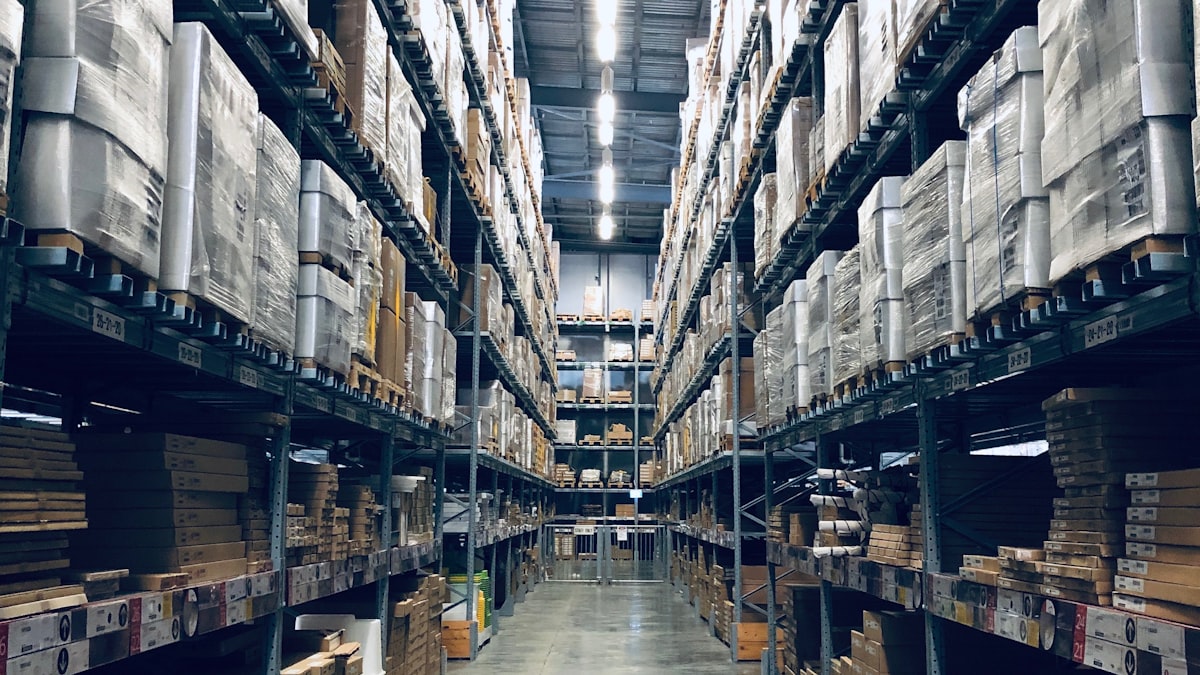
The warehousing market alone is projected to grow from 344 million sq. ft in 2023 to 516 million sq. ft by 2026, driven by e-commerce growth, manufacturing expansion under the Production-Linked Incentive (PLI) scheme, and the formalization of supply chains post-GST.
FDI Policy for Logistics and Warehousing
100% FDI Under the Automatic Route
India permits 100% foreign direct investment under the automatic route for the following logistics and warehousing activities:
- Warehousing and storage: Including general warehousing, cold storage, and bonded warehousing
- Third-party logistics (3PL): Contract logistics, distribution, and fulfilment services
- Freight forwarding: Domestic and international freight management
- Courier services: 100% FDI permitted under automatic route
- Inland waterway transport: 100% FDI under automatic route
- Port and harbour operations: 100% FDI under automatic route (subject to sector-specific conditions)
The automatic route means no prior government approval is needed. The foreign company simply incorporates an Indian entity, allots shares against the inward remittance and files the FC-GPR form with the RBI within 30 days of allotment of shares, and begins operations.
Entity Structure Options
Foreign logistics companies typically enter India through one of these structures:
| Entity Type | Best For | Key Consideration |
|---|---|---|
| Wholly Owned Subsidiary | Full operational control | Most common for logistics companies; requires minimum 2 directors, 1 must be Indian resident |
| Branch Office | Limited operations, no manufacturing | Can import/export on parent's behalf; cannot do retail trading |
| Liaison Office | Market research only | Cannot earn revenue in India; limited to promotional activities |
| Joint Venture | Leveraging local partner's network | Useful for last-mile delivery or regional distribution |
For most foreign logistics companies, setting up a private limited company as a wholly owned subsidiary is the preferred route. This provides full operational flexibility, the ability to own or lease warehousing space, employ staff, and enter into contracts with Indian customers. See our branch office vs subsidiary comparison for a detailed analysis.
Key Regulatory Filings
After incorporating the Indian entity, the foreign investor must complete:
- FC-GPR filing with RBI within 30 days of allotment of shares against the FDI
- FLA Return annually by July 15
- GST registration (mandatory for logistics service providers)
- IEC code if engaging in import/export activities
- State-specific trade licences and shop establishment registrations
GST 2.0 and Its Impact on Logistics
The Pre-GST Challenge
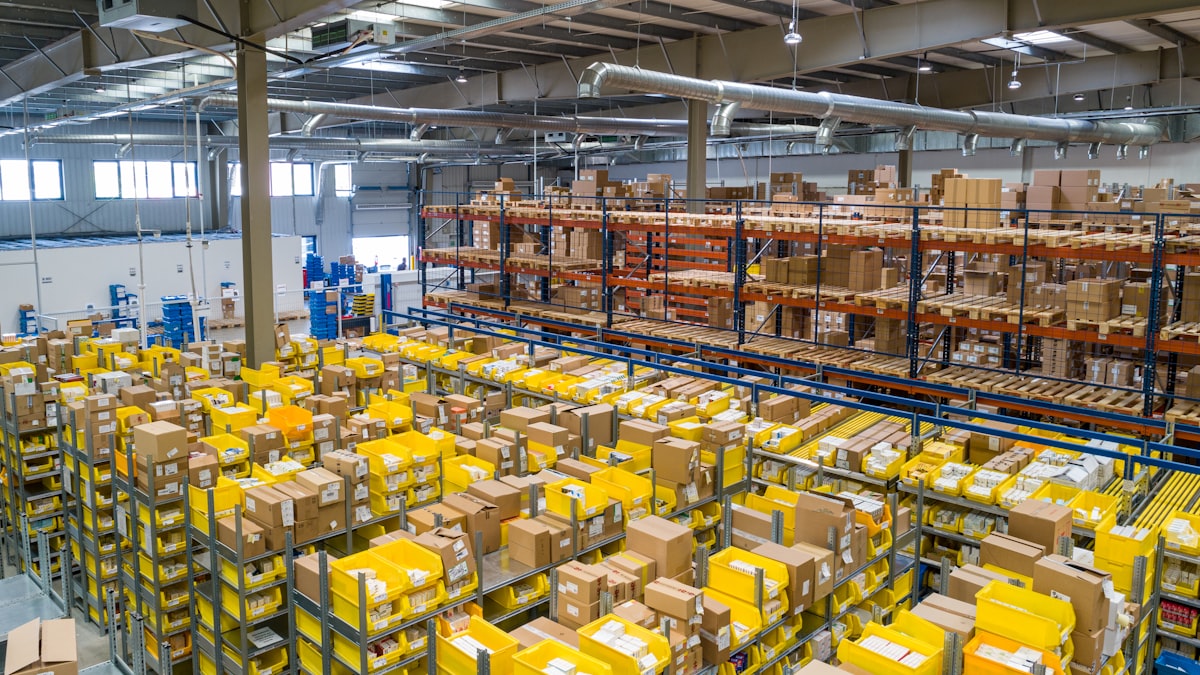
Before GST's implementation in July 2017, India's logistics sector was burdened by a fragmented tax structure. Companies maintained warehouses in multiple states primarily for tax optimization rather than operational efficiency, because interstate movements attracted Central Sales Tax (CST) on top of state-level VAT. This led to an estimated 20-30% excess warehousing capacity across India.
GST 2.0: Simplified Two-Tier Structure (effective 22 September 2025)
India introduced GST 2.0 on 22 September 2025, overhauling the multi-slab structure into a simplified two-tier rate system of 5% and 18%, with a special 40% demerit rate for luxury/sin goods (the earlier 12% and 28% slabs were abolished). For logistics companies, the key rates are:
| Service | GST Rate | Notes |
|---|---|---|
| Warehousing and storage | 18% | Agricultural produce warehousing is exempt |
| Freight transport (road) | 5% (no ITC) or 18% (with ITC) | Operator can choose; GTA services (the 12% with-ITC option was abolished under GST 2.0) |
| Multimodal freight transport | 5% | Reduced from 12% under GST 2.0 |
| Courier services | 18% | If billed separately from product |
| Cold chain and refrigerated transport | 18% | Full input tax credit available |
| Container leasing and rental | 18% | Including inland container depots |
| Port handling charges | 18% | Including terminal handling and CFS charges |
Input Tax Credit Benefits
One of the most significant advantages of GST for logistics companies is the seamless input tax credit (ITC) mechanism. Under the pre-GST regime, taxes paid in one state could not be credited against liabilities in another. Now, GST paid on warehouse rentals, equipment, fuel (to the extent allowed), and other inputs can be offset against output tax liability across India.
For foreign-owned logistics companies, this means:
- Hub-and-spoke models become viable: Centralized warehousing with distribution to multiple states without tax leakage
- Reduced working capital: Faster ITC utilization reduces effective tax cost
- Simplified compliance: Single GST return instead of multiple state filings
E-Way Bill System
Every movement of goods exceeding INR 50,000 in value requires an electronic waybill (e-way bill) generated on the GST portal. For logistics companies, this means:
- Generating or carrying e-way bills for every consignment
- Each e-way bill is valid for a limited period based on distance (1 day per 200 km)
- Part-B of the e-way bill must include vehicle details, which must be updated if the vehicle changes
- Non-compliance results in seizure of goods and penalties equal to the tax amount or INR 10,000, whichever is higher
Warehousing Infrastructure: Where to Invest
Top Warehousing Markets
India's warehousing demand is concentrated in eight primary markets. Foreign companies should evaluate these locations based on their target customer base and distribution needs:
| Market | Strengths | Average Rent (INR/sq ft/month) |
|---|---|---|
| Mumbai/Pune (Bhiwandi, Panvel, Chakan) | Largest consumer market, port proximity (JNPT) | 18-28 |
| NCR (Gurgaon, Manesar, Greater Noida) | Government hub, large consumer base, NH connectivity | 16-25 |
| Bengaluru (Hosur, Nelamangala) | Tech industry, e-commerce demand, aerospace | 18-26 |
| Chennai (Sriperumbudur, Oragadam) | Auto hub, port access, manufacturing corridor | 14-22 |
| Hyderabad (Shamshabad, Medchal) | Pharma hub, growing IT, competitive rents | 14-20 |
| Ahmedabad (Sanand, Bavla) | DMIC corridor, textile/chemical hub, Gujarat incentives | 12-18 |
| Kolkata (Dankuni, Uluberia) | East India gateway, growing e-commerce | 10-16 |
| Lucknow/Jaipur (Tier 2) | Emerging demand, competitive costs, UP/Rajasthan incentives | 8-14 |
Multimodal Logistics Parks (MMLPs)
Under the Bharatmala Pariyojana programme, India is developing 35 Multimodal Logistics Parks across the country. These are freight-handling facilities with a minimum area of 100 acres, integrating road, rail, and water transport with mechanized warehousing, cold storage, and customs clearance facilities.
Five MMLPs are under active development and expected to be operational in FY 2025-26 and FY 2026-27:
- Jogighopa (Assam): 317 acres, INR 694 crore — Northeast India and Bangladesh trade gateway
- Chennai (Tamil Nadu): Industrial corridor and port connectivity
- Bengaluru (Karnataka): E-commerce and technology logistics hub
- Nagpur (Maharashtra): Central India distribution point
- Indore (Madhya Pradesh): Manufacturing and agricultural logistics
Foreign logistics companies can invest in MMLPs through PPP (Public-Private Partnership) models, joint ventures with Indian developers, or as anchor tenants providing warehousing and logistics services within these parks.
Free Trade Warehousing Zones (FTWZs)
FTWZs are special economic zones specifically for warehousing and trading. They offer significant benefits for foreign companies:
- Goods can be stored without customs duty payment until cleared for domestic consumption
- Value-added services (labelling, packaging, quality testing) can be performed inside the zone
- Re-export from FTWZ attracts no duty
- 100% FDI under automatic route
India currently has operational FTWZs in Krishnapatnam (Andhra Pradesh) and Mundra (Gujarat), with additional zones planned. For companies doing significant import-re-export or distribution business, FTWZs can substantially reduce working capital requirements. See our detailed guide on bonded warehouses and free trade warehousing zones.
State-Level Incentives for Warehousing
Several Indian states actively compete for logistics investment with targeted incentives:
- Gujarat: Capital subsidy up to 25% for cold chain and warehousing projects under the Industrial Policy 2020
- Uttar Pradesh: Exemption from stamp duty and electricity duty for logistics parks under the UP Warehousing and Logistics Policy 2022
- Andhra Pradesh: Land at subsidized rates in industrial parks, power tariff subsidies, and GST reimbursement on capital investment
- Madhya Pradesh: Capital subsidy of 10-40% for cold chain and food processing warehousing
- Tamil Nadu: 30% capital subsidy for integrated cold chain projects
State incentives can reduce effective investment costs by 15-30%, making it critical to evaluate state policies before finalizing warehouse locations.
Cold Chain Logistics: A High-Growth Subsector
The Market Opportunity
India wastes approximately 15-20% of its perishable produce annually due to inadequate cold chain infrastructure — representing losses of over INR 90,000 crore per year. The country has an estimated cold storage capacity of approximately 40 million metric tonnes, but this is concentrated in a few states (UP alone accounts for nearly 40% of capacity) and largely comprises single-commodity potato cold stores.
For foreign companies with cold chain expertise, the opportunity lies in modern multi-commodity, multi-temperature cold storage facilities that support the growing demand from organized retail, e-commerce grocery platforms (BigBasket, Blinkit, Swiggy Instamart), and pharmaceutical distribution.
FDI and Regulatory Framework for Cold Chain
Cold chain logistics falls under the 100% FDI automatic route category. Additional benefits include:
- PLI Scheme for Food Processing: The Production-Linked Incentive scheme for the food processing industry includes cold chain infrastructure as an eligible category, offering incentives of 4-10% of incremental sales
- PM Kisan SAMPADA Yojana: Provides grants-in-aid up to 35% of eligible project cost for integrated cold chain and value addition infrastructure
- Tax benefits: Cold chain companies can claim accelerated depreciation on plant and machinery, and deduction under Section 35AD for capital expenditure on cold chain facilities
- GST exemption: Agricultural produce stored in cold storage attracts nil GST
Cold Chain Infrastructure Gap by Region
| Region | Current Capacity (MT) | Demand Gap | Key Crops/Products |
|---|---|---|---|
| North India (UP, Punjab, Haryana) | ~16 million | Moderate (potato-heavy) | Dairy, horticulture, pharma |
| West India (Maharashtra, Gujarat) | ~6 million | High | Seafood, dairy, pharma, fruits |
| South India (TN, Karnataka, AP) | ~5 million | High | Flowers, spices, pharma, seafood |
| East India (WB, Odisha, Bihar) | ~4 million | Very High | Fisheries, vegetables, rice |
| Northeast India | ~0.5 million | Critical | Horticulture, bamboo, organic produce |

Labour and Operational Considerations
Warehouse Labour Regulations
Foreign-owned warehousing operations must comply with India's labour regulations, which were consolidated under four labour codes (though implementation timelines vary by state):
- Minimum wages: Vary by state and skill level. Warehouse workers typically earn INR 10,000-18,000 per month in Tier 1 cities, INR 8,000-14,000 in Tier 2 cities
- Contract labour: The Contract Labour (Regulation and Abolition) Act 1970 applies to establishments with 20+ contract workers. A licence from the state labour department is required to engage contract labour
- EPF and ESI: Employers must contribute 12% of basic wages to the Employees' Provident Fund (EPF) and contribute to the Employees' State Insurance (ESI) for workers earning below INR 21,000/month
- Gratuity: Payable to employees completing 5 years of continuous service, at the rate of 15 days' wages for each year of service
Safety and Environmental Compliance
Warehouse operations require compliance with:
- Fire safety certifications from the local fire department
- Building plan approval from the municipal authority or industrial development authority
- Environmental clearances from the State Pollution Control Board (for operations involving chemicals, hazardous materials, or cold chain refrigerants)
- FSSAI licensing for warehouses storing food products
- Drug licensing from the State Drug Controller for pharmaceutical warehousing
Insurance Requirements
Foreign logistics companies should maintain comprehensive insurance coverage including:
- Marine cargo insurance (inland transit)
- Warehouse keeper's liability insurance
- Workers' compensation insurance (mandatory under the Employees' Compensation Act 1923)
- Professional indemnity insurance (for 3PL operations)
- Fire and allied perils insurance for warehouse structures and inventory
Technology and Automation Considerations
India's warehousing sector is rapidly modernizing, creating opportunities for foreign companies with automation expertise:
- Warehouse Management Systems (WMS): Demand growing at 20%+ annually as companies digitize operations
- Automated storage and retrieval systems (AS/RS): Large e-commerce players like Amazon, Flipkart, and Reliance are deploying automation at scale
- Cold chain technology: India wastes an estimated 15-20% of perishable produce due to cold chain gaps — temperature monitoring and IoT solutions are in high demand
- Green warehousing: India's green warehousing capacity is projected to quadruple to 270 million sq. ft by 2030, with institutional investors increasingly demanding sustainability certifications
Foreign companies bringing proprietary technology can access FDI benefits, sector-specific incentives under PLI, and potential R&D tax deductions under Section 35(2AB) of the Income Tax Act.
Financing and Capital Structure for Logistics Ventures
Funding Sources
Foreign logistics companies can fund their Indian operations through multiple channels:
- Equity investment (FDI): The primary route. Once shares are allotted against the inward remittance, the investment must be reported via FC-GPR within 30 days of allotment of shares. No repatriation restrictions on dividends (subject to withholding tax at 20% or DTAA rate)
- External Commercial Borrowings (ECBs): The Indian subsidiary can borrow from the foreign parent under the ECB framework. Under Notification FEMA 3(R)(5)/2026-RB (in force 16 February 2026), the minimum average maturity is 3 years, and the automatic-route limit is the higher of USD 1 billion of outstanding ECB or total outstanding borrowing (external plus domestic) of 300% of net worth per the last audited standalone balance sheet. No all-in-cost ceiling applies at an average maturity of 3 years or more — pricing follows prevailing market conditions; shorter-maturity ECB stays within the Trade Credit ceiling of the benchmark rate plus 300 basis points (foreign currency) or 250 basis points (rupee). Form ECB-2 is filed through the designated AD Category-I bank within 7 calendar days from the end of the month of receipt of proceeds or debt servicing
- Internal accruals: Once operational, Indian logistics companies typically generate positive cash flows within 2-3 years, enabling reinvestment without additional foreign funding
- Indian bank financing: Term loans for warehouse construction and equipment. Foreign-owned Indian companies can access Indian bank loans at prevailing rates (typically 9-12% for commercial real estate and equipment)
Real Estate Considerations
Warehousing investments involve significant real estate decisions. Key factors for foreign companies:
- Lease vs. build: Most foreign logistics companies start with leased warehouses (3-9 year lease terms) before investing in owned facilities. Grade A warehouse rents range from INR 10-28 per sq. ft per month depending on location
- Land acquisition: Foreign companies cannot directly acquire agricultural land in India. Industrial land can be acquired through state industrial development corporations (SIDCs), SEZ developers, or private developers with appropriate land-use conversion
- Stamp duty: Ranges from 5-10% of property value depending on the state. Factor this into total cost calculations
- Built-to-suit (BTS): Many Indian developers offer BTS warehousing where the foreign company specifies design requirements and commits to a long-term lease (typically 9-15 years), while the developer handles land acquisition and construction
Compliance and Ongoing Requirements
Foreign-owned logistics companies in India must maintain ongoing compliance across multiple regulatory frameworks:
- GST compliance: Monthly GSTR-1 and GSTR-3B filings, annual GSTR-9, and e-way bill management
- FEMA reporting: Annual FLA Return, compliance with FEMA pricing guidelines for FDI
- Transfer pricing: If the Indian entity transacts with foreign parent/affiliates, transfer pricing documentation and annual filings are mandatory
- Annual compliance: ROC filings, board meetings, AGM, audited financial statements
- Labour law compliance: ESI, EPF, professional tax, and applicable state labour regulations for warehouse staff

Key Takeaways
- India permits 100% FDI under the automatic route for logistics and warehousing — no government approval needed
- GST 2.0 (September 2025) simplified tax structure to 5%/18%, with multimodal freight reduced to 5%
- The warehousing market is growing to 516 million sq. ft by 2026, driven by e-commerce and manufacturing
- 35 MMLPs under development will create integrated logistics hubs — early investors gain strategic advantage
- State incentives can reduce investment costs by 15-30% — evaluate Gujarat, UP, AP, MP, and Tamil Nadu policies
- Ongoing compliance spans GST, FEMA, transfer pricing, ROC, and labour laws — budget for a dedicated compliance function
Need help with Sector Guides? Our team handles it.
FDI AdvisoryFrequently Asked Questions
Can a foreign company own 100% of a logistics business in India?
Yes. India permits 100% FDI under the automatic route for warehousing, logistics, freight forwarding, courier services, and inland waterway transport. No prior government approval is required. The foreign company simply sets up an Indian entity and files FC-GPR with RBI within 30 days.
What is the GST rate on warehousing services in India?
Warehousing and storage services are taxed at 18% GST, with full input tax credit available. Agricultural produce warehousing is exempt from GST. Following GST 2.0 reforms in September 2025, multimodal freight transport was reduced from 12% to 5%.
What is the best entity structure for a foreign logistics company in India?
A wholly owned subsidiary (private limited company) is the most common structure. It provides full operational control, the ability to own or lease property, employ staff, and enter into contracts. A branch office is suitable for limited import-export operations but cannot do retail trading.
What are Multimodal Logistics Parks and can foreign companies invest in them?
MMLPs are integrated freight-handling facilities of 100+ acres combining road, rail, and waterway access with mechanized warehousing and customs clearance. India is developing 35 MMLPs under Bharatmala Pariyojana. Foreign companies can invest through PPP models, joint ventures, or as anchor tenants.
What state incentives are available for warehousing investment in India?
Several states offer targeted incentives: Gujarat provides up to 25% capital subsidy; UP offers stamp duty and electricity duty exemptions; Andhra Pradesh provides subsidized land and power tariff subsidies; Madhya Pradesh offers 10-40% capital subsidy for cold chain projects; Tamil Nadu provides 30% capital subsidy for cold chain.
What is the e-way bill requirement for logistics companies?
Every movement of goods exceeding INR 50,000 requires an electronic waybill generated on the GST portal. Each e-way bill is valid for 1 day per 200 km of transport distance. Non-compliance results in goods seizure and penalties equal to the tax amount or INR 10,000, whichever is higher.
How does GST benefit foreign logistics companies operating in India?
GST eliminated interstate tax barriers, enabling hub-and-spoke warehousing models based on operational efficiency rather than tax optimization. The input tax credit mechanism allows seamless credit across states, reducing working capital needs and enabling centralized distribution strategies.