India's Logistics Market: A USD 243 Billion Ecosystem
India's logistics market was valued at USD 243.82 billion in 2025 and is projected to reach USD 429 billion by 2034, growing at 6.48% CAGR. For foreign companies establishing manufacturing, distribution, or e-commerce operations in India, logistics and warehousing decisions directly affect unit economics, compliance risk, and time-to-market. The difference between a well-structured logistics setup and a poorly planned one can mean 8-12% variation in landed cost per unit.
The market is undergoing structural transformation. India's National Logistics Policy (NLP), launched in September 2022, targets reducing logistics costs from 13-14% of GDP to 8% by 2030 -- bringing India in line with global benchmarks. The PM GatiShakti National Master Plan is driving 35 Multi-Modal Logistics Parks (MMLPs) that integrate customs clearance, cold storage, and packaging under single campuses. Meanwhile, GST -- implemented in 2017 -- has fundamentally reshaped warehouse location strategy by eliminating state-border tax barriers that previously forced companies to maintain sub-scale warehouses in every state.
This guide covers the practical decisions foreign companies face: selecting a 3PL provider, building cold chain capability, navigating GST compliance for logistics, and structuring FDI-compliant warehousing operations.
Understanding India's Logistics Infrastructure
Modal Split and Transport Network
India's logistics sector is heavily road-dependent, with approximately 65% of freight moving by road, 27% by rail, and the remainder split between waterways and air. This modal split is gradually shifting as the government invests in dedicated freight corridors, inland waterways, and multimodal connectivity.
Key infrastructure components relevant to foreign companies:
- Dedicated Freight Corridors (DFC): The 1,504-km Western DFC (Delhi-Mumbai) and 1,856-km Eastern DFC (Ludhiana-Dankuni) are operational, reducing rail freight transit times by 50% and costs by 20-30%
- Sagarmala Programme: Port-led development with 802 projects worth INR 5.54 lakh crore, modernizing India's 12 major and 200+ minor ports
- Bharatmala Pariyojana: 34,800 km of highway development connecting logistics hubs, ports, and industrial corridors
- Multi-Modal Logistics Parks (MMLPs): 35 planned parks integrating rail, road, and warehousing at strategic nodes
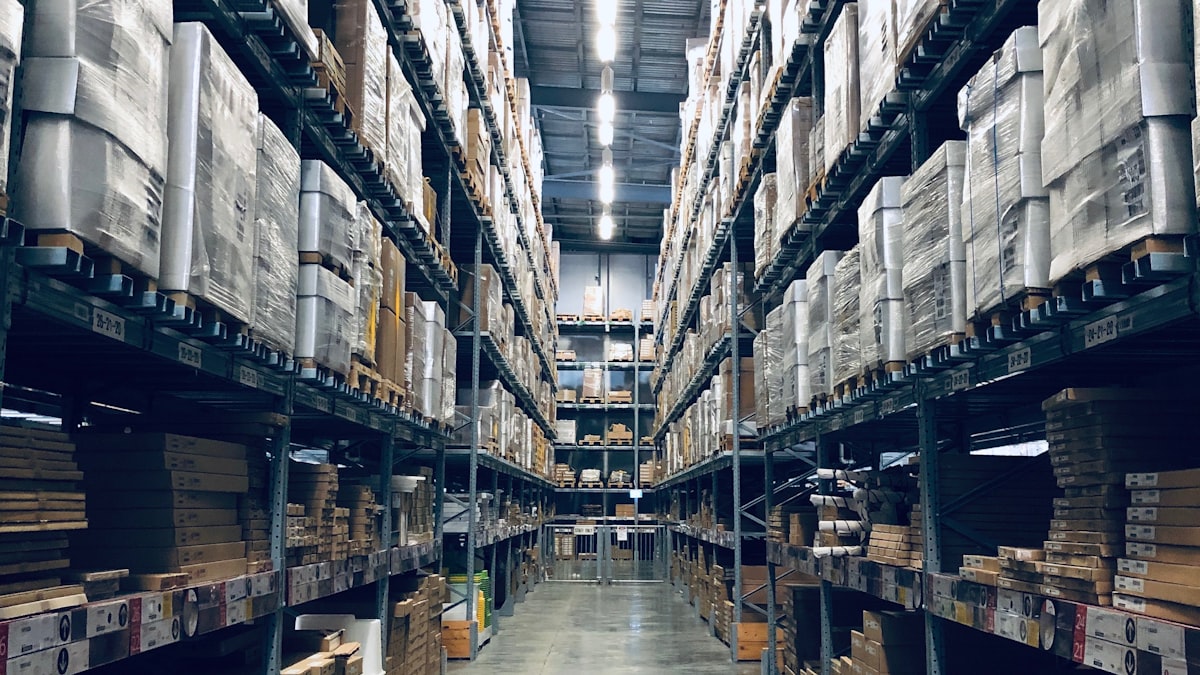
Warehousing Landscape
Industrial and warehousing leasing across India's top eight cities reached 36.9 million sq ft in 2025 -- a 16% year-on-year increase. Gross leasing is projected to cross 60 million sq ft annually, with India targeting 850 million sq ft of total warehousing stock by 2030.
| City | Average Rent (INR/sq ft/month) | Grade A Stock (million sq ft) | Key Advantage |
|---|---|---|---|
| Delhi NCR | 18-28 | 85+ | North India gateway, consumer market |
| Mumbai/Pune | 20-30 | 75+ | Port proximity (JNPT), financial capital |
| Bengaluru | 18-26 | 50+ | Technology hub, aerospace, pharma |
| Chennai | 16-24 | 45+ | Automotive corridor, port access |
| Hyderabad | 14-22 | 40+ | Pharma cluster, competitive rents |
| Ahmedabad | 12-20 | 30+ | Western India, textile and chemical hub |
| Kolkata | 14-22 | 25+ | East India gateway, tea and jute |
Foreign companies should note that Grade A warehouses -- with clear heights of 10-12 metres, floor load capacity of 5 tonnes/sqm, dock-level loading, fire suppression, and 24/7 security -- now represent the standard for institutional-quality logistics. Grade B facilities may cost 30-40% less but lack the specifications needed for automated operations, FMCG storage, or pharmaceutical compliance.
3PL Selection: Criteria for Foreign Companies
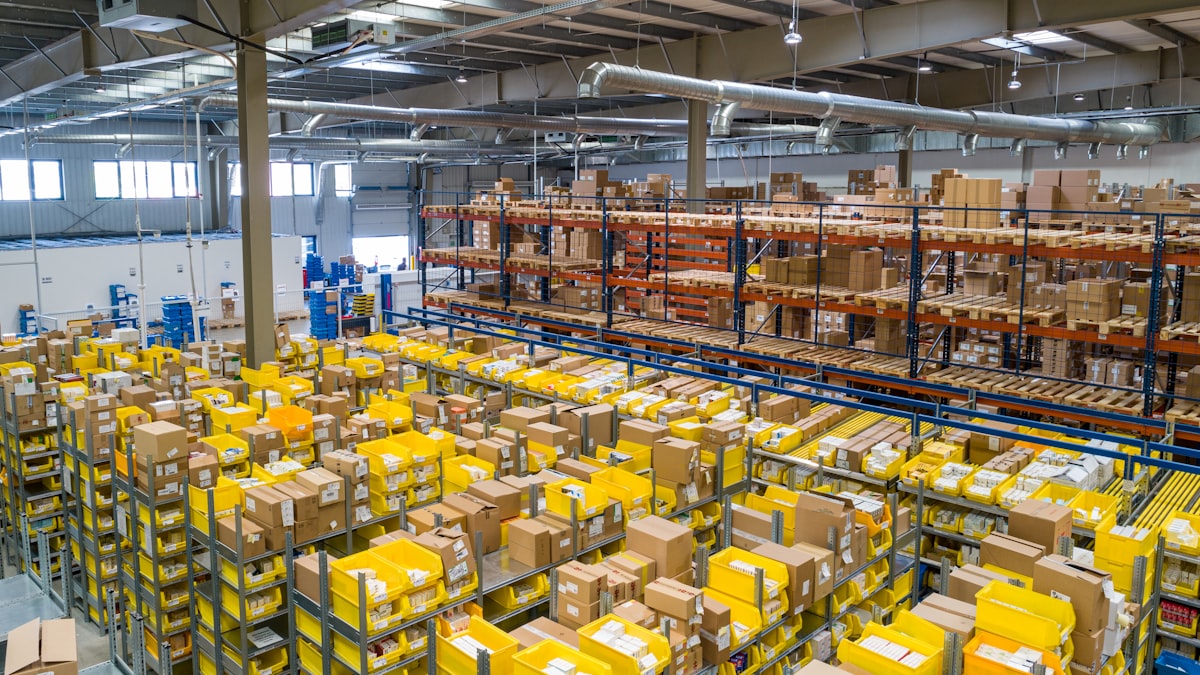
India's third-party logistics market was valued at USD 36.09 billion in 2025 and is projected to reach USD 50.55 billion by 2031, growing at 5.78% CAGR. For foreign companies, selecting the right 3PL partner is arguably the single most important logistics decision. A wrong choice means locked-in contracts, inventory visibility gaps, and compliance exposure.
Evaluation Framework
Foreign companies should evaluate 3PL providers across eight dimensions:
- Geographic coverage and pin code reach: Does the provider cover Tier 2-3 cities where your customers are? India has 19,000+ serviceable pin codes -- top providers cover 15,000-18,700
- Technology platform: Warehouse Management System (WMS) with real-time inventory visibility, API integration capability, and automated reporting. Insist on WMS demo access before signing
- Compliance infrastructure: Does the 3PL handle GST registration in multiple states, e-way bill generation, and TCS reconciliation on your behalf?
- Scalability: Can the provider scale from 5,000 to 50,000 orders/month without renegotiating the contract? Check warehouse capacity headroom and staffing flexibility
- Reverse logistics capability: Return-to-origin rates average 17-26% in Indian e-commerce. Your 3PL must have dedicated reverse logistics infrastructure, not an afterthought
- Cold chain capability: If your products require temperature control, verify end-to-end cold chain -- not just cold storage at the warehouse, but refrigerated last-mile delivery
- Cross-border integration: For companies importing goods into India, select a 3PL with customs clearance capability or partnership with a licensed customs broker
- Financial stability: Check the 3PL's financial health -- several Indian logistics startups have folded or been acquired. Delhivery's INR 1,407 crore acquisition of Ecom Express in April 2025 is a recent example of consolidation
Major 3PL Providers for Foreign Companies
| Provider | Warehouse Space | Key Strength | Best For |
|---|---|---|---|
| Delhivery | 6 million+ sq ft, 71 centres | Largest independent, AI-powered RTO prediction | E-commerce, D2C brands |
| Mahindra Logistics | 20+ million sq ft | Automotive, engineering integration | Manufacturing, automotive |
| TVS Supply Chain Solutions | 25+ million sq ft globally | WMS, IoT, AI capabilities | Industrial, manufacturing |
| Allcargo Logistics | Multi-modal, container freight | Customs bonded warehousing | Import-heavy operations |
| DHL Supply Chain | 10+ million sq ft in India | Global integration, pharma expertise | MNCs, pharma, automotive |
| Maersk (via APMT) | Integrated port-to-door | Ocean freight + inland logistics | Import/export operations |
| Blue Dart (DHL Express) | 55,400+ locations | Premium express, DHL cross-border | High-value, time-sensitive |
Contract Negotiation Points
When contracting with an Indian 3PL, foreign companies should negotiate these specific clauses:
- SLA penalties: Define clear KPIs -- order accuracy (target 99.5%+), dispatch SLA (same-day for orders received before 2 PM), and damage rate (below 0.1%)
- Inventory shrinkage liability: Cap shrinkage at 0.1-0.2% and define the reconciliation process. Indian 3PLs typically push for 0.5% tolerance -- negotiate downward
- GST compliance responsibility: Specify that the 3PL generates e-way bills, maintains proper tax invoices, and provides monthly GST reconciliation reports
- Exit clause: 90-day notice period with data portability. Ensure the 3PL returns all inventory data, customer information, and compliance records upon termination
- Insurance: Require comprehensive transit insurance covering fire, theft, natural disaster, and in-transit damage. Standard coverage is 110% of declared goods value
Cold Chain Infrastructure: Gaps and Opportunities
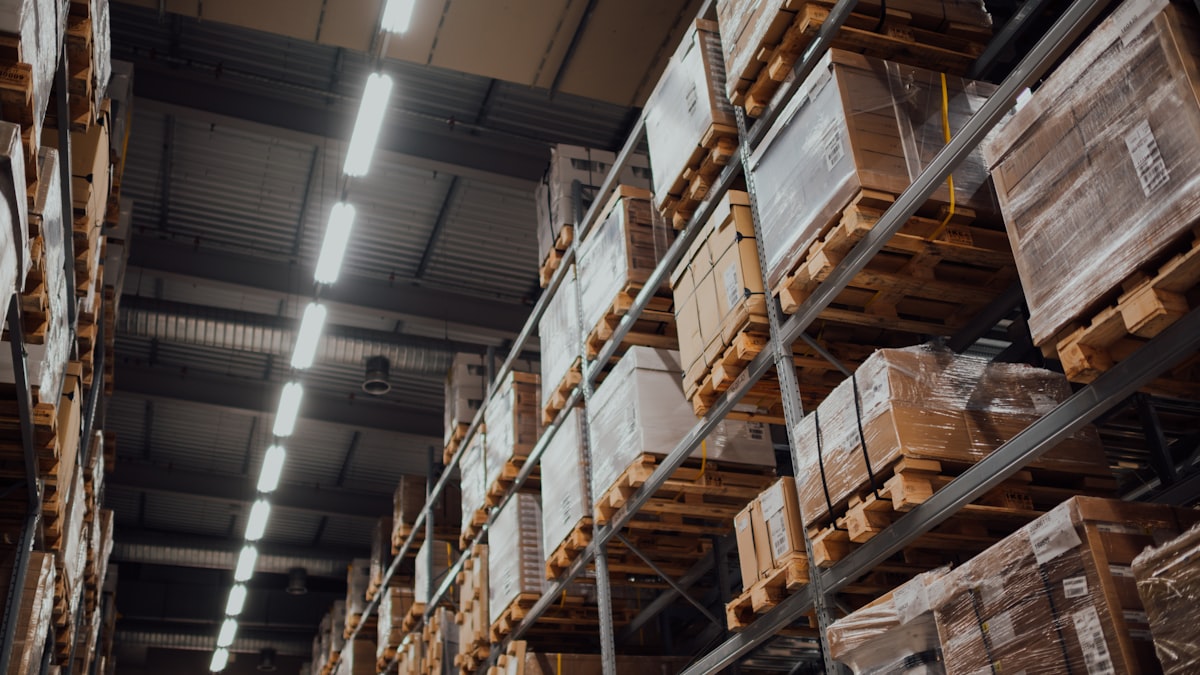
India's cold chain logistics market is valued at USD 23.28 billion in 2025 and is projected to reach USD 33.12 billion by 2031 at 5.91% CAGR. For foreign companies in pharmaceuticals, food processing, FMCG, or agriculture, cold chain capability is not optional -- it is the primary determinant of product quality, regulatory compliance, and market access.
The Infrastructure Gap
India faces a cold storage shortfall of approximately 35 million metric tonnes according to the National Centre for Cold-Chain Development (NCCD). The geographic concentration is stark: 70-75% of installed cold storage capacity is concentrated in just five states -- Uttar Pradesh, Punjab, Gujarat, Maharashtra, and West Bengal -- leaving significant white space across Madhya Pradesh, Chhattisgarh, and the entire Northeast.
This gap creates both risk and opportunity for foreign companies:
- Risk: Limited cold chain coverage in Tier 2-3 cities means product spoilage, quality degradation, and regulatory non-compliance -- particularly for pharmaceuticals where Good Distribution Practices (GDP) require unbroken temperature records
- Opportunity: India permits 100% FDI under the automatic route for cold storage and warehousing, including agricultural cold chains. Foreign investors can establish cold chain infrastructure without government approval
Cold Chain Components
A complete cold chain in India requires integration across four layers:
- Cold storage warehouses: Facilities maintaining -25 degrees C to +8 degrees C, with automated storage and retrieval systems (AS/RS). Construction cost: INR 3,000-5,000 per sq ft for purpose-built facilities
- Refrigerated transport: Reefer trucks and containers maintaining temperature integrity door-to-door. India has approximately 10,000 reefer vehicles -- significantly below demand
- Pack houses and ripening chambers: Pre-cooling, sorting, grading, and controlled atmosphere storage for fresh produce and horticulture
- Last-mile cold delivery: Insulated vans and cold boxes for final delivery to retail, HoReCa, or consumer. This is the weakest link in India's cold chain
Regulatory Requirements
Foreign companies operating cold chain facilities must comply with:
- FSSAI License: Mandatory for any cold storage handling food products. State-level FSSAI license for capacity up to 50,000 MT; Central FSSAI license above 50,000 MT or annual turnover exceeding INR 30 crore. Temperature must be maintained at +/-1 degree C with 5% relative humidity tolerance
- CDSCO/Schedule M: Pharmaceutical cold chains must comply with CDSCO guidelines and Schedule M of the Drugs and Cosmetics Act for GDP-compliant storage and distribution
- BIS Standards: Bureau of Indian Standards certification may be required for cold chain equipment including compressors, insulation panels, and monitoring systems
- Pollution Control Board: NoC from State Pollution Control Board for refrigerant handling (particularly for HFC and ammonia-based systems)

GST Implications for Logistics and Warehousing
GST fundamentally transformed India's logistics landscape when it replaced 17 separate state and central taxes in July 2017. For foreign companies, understanding GST's impact on logistics is critical for cost optimization and compliance.
GST Rates on Logistics Services
| Service | GST Rate | ITC Available? | Notes |
|---|---|---|---|
| Warehousing and storage | 18% | Yes | Exempt for unprocessed agricultural produce |
| Goods Transport Agency (GTA) -- with ITC | 18% | Yes | The 12%-with-ITC option was raised to 18% under GST 2.0 (22 Sep 2025) when the 12% slab was abolished |
| GTA -- without ITC | 5% | No | Smaller transporters, no ITC benefit; option retained |
| Multimodal transport (no air leg) | 5% | Limited | 5% with ITC restricted to 5% of value; 18% with full ITC if any air leg is involved (post-GST 2.0) |
| Courier services | 18% | Yes | Express delivery, parcel services |
| Customs broker services | 18% | Yes | Import/export documentation |
| Cold storage (agricultural produce) | Exempt | N/A | Only for unprocessed farm produce |
The Warehouse Consolidation Effect
Pre-GST, companies maintained 20-30 small warehouses across states to avoid Central Sales Tax (CST) on interstate transfers. GST eliminated CST and introduced a unified IGST for interstate supply, enabling warehouse consolidation into 4-6 large regional hubs. Studies show this consolidation has reduced distribution costs by 8-12% and improved inventory turns by 15-20%.
For foreign companies setting up operations through a wholly owned subsidiary, this means you can operate with fewer, larger warehouses in strategic locations rather than maintaining expensive state-by-state presence. The optimal hub locations are typically Delhi NCR (North), Mumbai/Pune (West), Bengaluru/Chennai (South), and Kolkata (East).
E-Way Bill Compliance
The e-way bill system is a critical compliance requirement for any goods movement in India:
- Threshold: Mandatory for goods valued above INR 50,000 being transported interstate. State-specific thresholds vary from INR 50,000 to INR 1,00,000 for intrastate movement
- Generation: Must be generated on the e-way bill portal (ewaybill2.gst.gov.in) before goods are dispatched. Your 3PL should handle this, but verify contractually
- Validity: 1 day per 200 km of transport distance. Extendable if goods are in transit
- 2025-2026 changes: Multi-factor authentication (2FA) is now mandatory for all taxpayers generating e-way bills as of April 2025. The 180-day invoice rule (effective January 2025) means e-way bills cannot be generated on invoices older than 180 days
- Penalties: Non-compliance results in minimum INR 10,000 penalty or the tax amount evaded (whichever is higher), plus potential seizure of goods and conveyance under Section 129 of the CGST Act
Input Tax Credit (ITC) on Logistics
Foreign companies operating through Indian subsidiaries can claim ITC on logistics expenses, which directly reduces the effective cost of warehousing and transport. Key ITC considerations:
- ITC is available on warehousing rent (18% GST), GTA transport services (18% GST with ITC, or 5% without ITC since the 12% slab was abolished under GST 2.0), packaging materials, and logistics technology platforms
- ITC is not available on employee transport, food and beverages, or personal motor vehicles
- Monthly reconciliation of ITC claims with GSTR-2B (auto-populated from supplier returns) is mandatory. Mismatches result in ITC reversal and interest charges
- For intercompany transactions between your Indian subsidiary and parent company, ensure transfer pricing documentation supports the arm's length nature of logistics cost allocations

FDI in Warehousing and Logistics
India permits 100% FDI under the automatic route for warehousing, logistics, and storage infrastructure. This means foreign companies can invest without prior government approval, subject to standard FEMA regulations and RBI reporting.
Entity Structure Options
Foreign companies entering India's logistics sector typically choose one of these structures:
- Private Limited Company: Most common for operational warehousing. Allows full trading, storage, and distribution activities. Registration takes 15-20 days via SPICe+
- LLP: Viable for asset-light logistics consulting or technology platforms. Lower compliance burden than Pvt Ltd but restricted from certain FDI sectors. See our Pvt Ltd vs LLP comparison
- Joint Venture: Partnership with an Indian logistics company for market access, infrastructure sharing, and regulatory navigation. Common among Japanese and European logistics operators entering India
Compliance Requirements
Foreign-invested logistics companies must comply with:
- FC-GPR filing with RBI within 30 days of share allotment
- Annual FLA Return to RBI by 15 July each year
- GST registration in every state where warehouses operate
- Appointment of at least one resident director
- Annual compliance filings with the Ministry of Corporate Affairs
- Shops and Establishment Act registration in each state
- Fire safety NOC and building occupancy certificate for warehouse facilities
For a comprehensive guide to establishing your Indian entity, see our foreign subsidiary registration service or explore our FDI advisory services.
Technology and Digital Infrastructure
India's logistics technology ecosystem has matured significantly. The Unified Logistics Interface Platform (ULIP), launched under the National Logistics Policy, has integrated 30+ digital systems with over 160 crore digital transactions as of August 2025. Foreign companies should ensure their logistics stack integrates with:
- ULIP: Government's unified logistics platform providing real-time tracking, documentation, and compliance integration across transport modes
- E-way bill portal (ewaybill2.gst.gov.in): Mandatory for goods movement compliance
- ICEGATE: Indian customs electronic gateway for import/export documentation. See our guide on navigating the ICEGATE portal
- Port Community Systems: PCS1x platform for port-related logistics coordination
- IoT and telematics: GPS tracking, temperature monitoring (critical for cold chain), and driver behaviour analytics
Common Mistakes Foreign Companies Make
- Choosing price over compliance: The cheapest 3PL often lacks GST compliance infrastructure, exposing your company to tax penalties. Always verify the 3PL's GST compliance track record
- Ignoring state-specific regulations: Labour laws, shop establishment rules, and environmental clearances vary by state. A warehouse strategy that works in Maharashtra may not be replicable in Tamil Nadu without modifications
- Underestimating cold chain breaks: India's ambient temperatures frequently exceed 35 degrees C. Even a 2-hour break in cold chain during loading/unloading can compromise pharmaceutical or food product integrity
- Not budgeting for reverse logistics: Plan for 17-26% return rates in e-commerce. Reverse logistics costs 1.5x forward logistics. For more on e-commerce-specific fulfillment challenges, see our last-mile delivery guide
- Single-warehouse dependency: Operating from a single location creates supply chain fragility. Natural disasters, strikes, or local regulatory actions can halt operations entirely
Key Takeaways
- India's USD 243 billion logistics market permits 100% FDI under the automatic route for warehousing, cold storage, and logistics infrastructure -- no government approval needed
- Select 3PL providers based on compliance infrastructure (GST, e-way bills), technology platform (WMS, API integration), and geographic reach -- not just price. Major providers include Delhivery, Mahindra Logistics, TVS SCS, and DHL
- Cold chain infrastructure has a 35 million MT storage shortfall concentrated outside five states. Foreign pharma and food companies must verify end-to-end cold chain capability, including FSSAI licensing and GDP compliance
- GST consolidation has enabled hub-and-spoke warehouse models, reducing distribution costs by 8-12%. Budget 18% GST on warehousing and 18% on GTA freight (with ITC) or 5% without ITC since the 12% slab was abolished under GST 2.0, and ensure e-way bill compliance for all goods movement above INR 50,000
- Establish your Indian entity through a Private Limited Company subsidiary, comply with FC-GPR, FLA Return, and state-level registrations, and appoint a resident director before commencing warehouse operations
Need help with Supply Chain? Our team handles it.
Import Export Code (IEC) RegistrationFrequently Asked Questions
Is 100% FDI allowed in warehousing and logistics in India?
Yes. India permits 100% Foreign Direct Investment under the automatic route for warehousing, logistics, cold storage, and storage infrastructure -- including agricultural cold chains. No prior government approval is required. Foreign companies can establish warehousing operations through a Private Limited Company subsidiary.
What GST rate applies to warehousing services in India?
Warehousing and storage services attract 18% GST, with Input Tax Credit (ITC) available. The exception is storage of unprocessed agricultural produce, which is GST-exempt. Goods Transport Agency (GTA) freight services attract 18% GST with ITC or 5% without ITC (the 12%-with-ITC option was raised to 18% under GST 2.0 effective 22 September 2025).
How do I select a 3PL provider in India as a foreign company?
Evaluate providers across eight dimensions: geographic coverage (15,000-18,700 pin codes for top providers), technology platform (WMS with API integration), GST compliance infrastructure, scalability, reverse logistics capability, cold chain coverage, cross-border integration, and financial stability. Major providers include Delhivery, Mahindra Logistics, TVS SCS, DHL, and Allcargo.
What is the e-way bill threshold for goods movement in India?
E-way bills are mandatory for goods valued above INR 50,000 for interstate transport. State-specific thresholds vary from INR 50,000 to INR 1,00,000 for intrastate movement. As of April 2025, multi-factor authentication (2FA) is mandatory for all taxpayers generating e-way bills. Validity is 1 day per 200 km.
What is the cold storage infrastructure gap in India?
India faces a cold storage shortfall of approximately 35 million metric tonnes. 70-75% of existing cold storage capacity is concentrated in five states: Uttar Pradesh, Punjab, Gujarat, Maharashtra, and West Bengal. The cold chain market is valued at USD 23.28 billion in 2025 and growing at 5.91% CAGR.
How has GST changed warehouse strategy in India?
Pre-GST, companies maintained 20-30 small warehouses across states to avoid Central Sales Tax on interstate transfers. GST eliminated CST and introduced unified IGST, enabling consolidation into 4-6 large regional hubs. This has reduced distribution costs by 8-12% and improved inventory turns by 15-20%.
What licenses are needed for cold storage operations in India?
Cold storage operations handling food products require an FSSAI license (State-level for capacity up to 50,000 MT, Central for above). Pharmaceutical cold chains must comply with CDSCO and Schedule M guidelines. Additional requirements include State Pollution Control Board NoC for refrigerant handling, fire safety clearance, and potentially BIS certification for equipment.