India's Logistics and Maritime Sector: A USD 65 Billion Infrastructure Push
100% foreign direct investment is permitted under the automatic route for port and harbour construction, maintenance, and logistics operations in India, placing the country among the most FDI-friendly maritime markets globally. This access sits alongside the Indian Ports Act, 2025 — passed by Parliament in August 2025 and assented to on 21 August 2025 — which replaces the colonial-era Indian Ports Act, 1908, with modernised port governance, transparency, and environmental standards.
India's port and logistics sector is in the midst of its most significant transformation since independence. The Sagarmala programme — the government's flagship port-led development initiative — now spans 839 projects worth approximately INR 5.79 lakh crore (roughly USD 65 billion) to reshape coastal and port infrastructure across the country. At India Maritime Week 2025, investment pledges worth over INR 12 lakh crore (about USD 135 billion) were signed, spanning ports, shipbuilding and coastal infrastructure. India's logistics cost has also been re-estimated at 7.97% of GDP for FY 2023-24 by the DPIIT-NCAER assessment released in 2025 — down from the commonly cited 13-14% estimate — with a national target of reaching 7% by 2030.
For foreign companies evaluating investment in India's logistics infrastructure — whether as port operators, warehousing companies, freight forwarders, or logistics technology providers — this guide covers the complete regulatory and operational landscape current as of March 2026.
FDI Policy for Ports and Logistics
100% Automatic Route
The Consolidated FDI Policy permits 100% FDI under the automatic route for the following port and logistics activities:
- Construction and maintenance of ports and harbours
- Inland waterways transport and shipping
- Warehousing and storage services
- Logistics parks and multimodal logistics hubs
- Cold chain and temperature-controlled logistics
- Container freight stations and inland container depots
No prior government approval from the government approval route is required. The investment flows through standard FEMA channels: incorporate an Indian entity (typically a private limited company via SPICe+), remit capital, file FC-GPR within 30 days, and submit annual FLA returns.
FDI Track Record
Cumulative FDI equity inflow in the ports sector stands at approximately USD 1.6 billion for the period April 2000 to June 2025. While this is modest compared to IT services or financial services FDI, private sector participation in PPP projects at major ports has increased threefold — from INR 1,329 crore in FY 2022-23 to INR 3,986 crore in FY 2024-25 — signalling accelerating investor interest.
Tax Incentives for Port Development
The section 80-IA infrastructure tax holiday — a 100% deduction for any 10 consecutive years out of the first 15 — is closed to new entrants: it does not apply to enterprises that started developing or operating an infrastructure facility on or after April 1, 2017, so only older port projects are still running out their holiday windows. New investors instead rely on the concessional corporate tax rate of 22% (effective 25.17%) under section 200 read with section 205(1) of the Income-tax Act, 2025 (section 115BAA of the Income-tax Act, 1961), which is available to all port and logistics companies.

The Sagarmala Programme: India's Port-Led Development Strategy
Programme Structure
Launched in 2015, the Sagarmala programme focuses on four pillars:
- Port modernisation: 279 port-connectivity projects worth INR 2,06,363 crore (USD 24.14 billion) to upgrade berths, channel depths, mechanisation, and turnaround times at India's 12 major ports and 200+ non-major ports
- Port connectivity: Last-mile road and rail connectivity to reduce transit time from port to hinterland. Key projects include dedicated freight corridors, coastal road connectivity, and inland waterway integration
- Port-led industrialisation: Coastal Economic Zones (CEZs) designed to cluster manufacturing and processing facilities near ports, reducing logistics costs for export-oriented industries
- Coastal community development: Skills development, fisheries modernisation, and tourism infrastructure in coastal districts
Coastal Economic Zones (CEZs)
CEZs are spatial economic regions comprising coastal districts with strong linkage to ports, designed to reduce logistics costs from demand/supply centres to ports. Foreign investors setting up manufacturing or processing units within CEZs benefit from proximity to ports (reducing inland transportation costs, which account for 35-40% of total logistics costs in India), integrated multi-modal infrastructure, and streamlined single-window clearances.
Major Port Performance
India's 12 major ports handled approximately 855 million tonnes of cargo in FY 2024-25, a 4.3% growth over FY24. Key performance drivers included container throughput growth of 10%, fertiliser cargo growth of 13%, and petroleum cargo growth of 3%. During April-October FY26, major ports handled 513.80 million tonnes, with overseas cargo accounting for 77.3% and coastal cargo 22.7%.
Non-major ports now handle 46.42% of total cargo traffic — a steady shift from the historical dominance of major ports. This is driven by private sector investment in non-major ports, particularly in Gujarat (Mundra, Pipavav, Dahej), Maharashtra (JNPT), and Andhra Pradesh (Krishnapatnam, Gangavaram).
Free Trade Warehousing Zones (FTWZs)
What Are FTWZs?
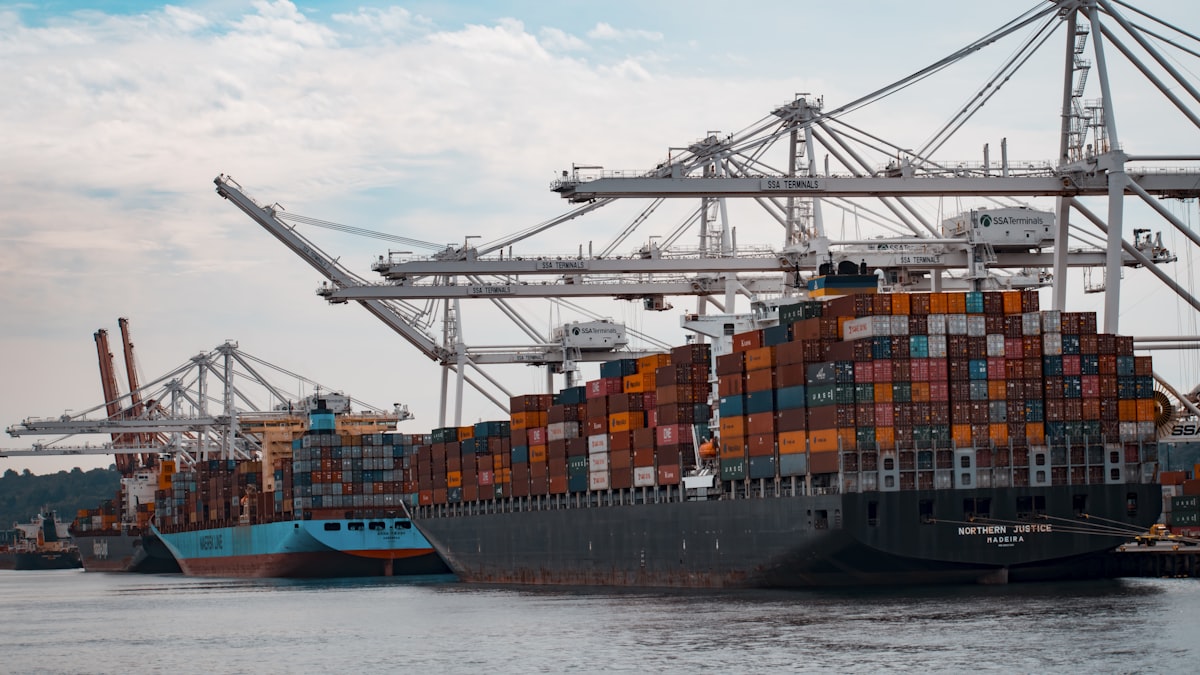
Free Trade Warehousing Zones are designated areas within Special Economic Zones that are treated as foreign territory under Indian customs law. Goods stored in FTWZs do not attract customs duties or GST until they are cleared for domestic consumption. India has a handful of notified FTWZs, located near major ports and airports.
Key Benefits for Foreign Investors
- Duty deferral: Import goods into the FTWZ without paying customs duty. Duty is payable only when goods are released into the domestic tariff area (DTA). This is particularly valuable for hub-and-spoke distribution models where goods are consolidated for re-export or phased domestic release
- No BIS/FSSAI requirement for storage: FTWZs do not require BIS, FSSAI, or drug licences for imported goods that are stored but not released into the DTA. This simplifies the import process for goods intended for re-export or value-added processing
- Faster customs clearance: Dedicated customs offices within FTWZs enable clearance within 24-48 hours, compared to 3-5 days at regular ports
- Value-added services: FTWZs permit packaging, labelling, inspection, sorting, kitting, and light processing activities within the zone, adding value before goods enter the domestic market or are re-exported
- Income tax benefits: Units in FTWZs enjoy the same SEZ tax benefits — 100% income tax exemption for the first 5 years, 50% for the next 5 years, and 50% on export profits for the following 5 years. This SEZ/FTWZ s.10AA holiday is closed to new units — it applies only to units that commenced operations by 31 March 2021
Operational FTWZs in India
| FTWZ | Location | Proximity |
|---|---|---|
| Arshiya FTWZ | Panvel, Maharashtra | JNPT / Nhava Sheva port |
| Sri City FTWZ | Sri City, Andhra Pradesh | Chennai and Krishnapatnam ports |
| Arshiya FTWZ II | Khurja, Uttar Pradesh | NCR / Delhi market |
| DP World Nhava Sheva Business Park | Panvel, Maharashtra | JNPT / Nhava Sheva port |
| J Matadee Free Trade Zone | Sriperumbudur, Tamil Nadu | Chennai port and auto corridor |
Special Economic Zones for Logistics
SEZ Framework
India has 276 operational SEZs with 6,279 units, providing employment to 31.94 lakh persons and attracting cumulative investment of approximately INR 7.07 lakh crore. Goods exports from SEZs reached USD 143.34 billion through January 2025.
For logistics companies, SEZs offer:
- 100% FDI under the automatic route
- Duty-free import of capital goods and materials required for operations
- Income tax holiday (100% for 5 years, 50% for next 5 years, 50% on export profits for 5 more years) — available only to units that commenced operations by 31 March 2021; the s.10AA holiday is closed to new units
- Exemption from state-level taxes and levies
- Single-window clearance for approvals
- Ready-to-use infrastructure including roads, power, water, broadband, and warehousing
2025 SEZ Reforms
In June 2025, India announced regulatory amendments aimed at promoting SEZs focused on semiconductor and electronic component manufacturing. While not logistics-specific, these reforms signal the government's willingness to further liberalise the SEZ framework — reducing entry barriers, enhancing operational flexibility, and expanding market access. Logistics companies operating within reformed SEZs benefit from the broader ecosystem improvements, particularly in last-mile connectivity and digital customs processing.
Customs Infrastructure and Digitalisation
ICEGATE and Electronic Filing
The Indian Customs Electronic Gateway (ICEGATE) is the national portal for electronic filing of all customs documents. All importers and exporters must register on ICEGATE to file Bills of Entry (imports) and Shipping Bills (exports). The system integrates with the Indian Customs EDI System (ICES) for automated processing and risk management.
Foreign logistics companies operating in India must register on ICEGATE and obtain an Import Export Code (IEC) from the DGFT — a prerequisite for all import-export transactions.
Faceless Assessment (Turant Customs)
Launched under the Turant Customs programme, faceless assessment removes the physical interface between importers and customs officers. Assessment is conducted remotely by officers who may be located anywhere in India, reducing subjectivity and potential for discretionary delays. The system assigns assessments based on risk profiles generated by the Risk Management System (RMS).
In practice, faceless assessment has reduced clearance times for low-risk consignments to 24-48 hours. However, high-risk consignments — including first-time importers, high-value goods, and goods from specific countries — may still face extended examination timelines of 3-7 days.
India Customs Single Window (SWIFT)
The Single Window Interface for Facilitating Trade (SWIFT) allows importers and exporters to file a single electronic document to obtain clearances from multiple regulatory agencies — including FSSAI, Drug Controller, Plant Quarantine, Animal Quarantine, and Wildlife. Previously, separate applications had to be filed with each agency. SWIFT has reduced duplicate documentation and shortened clearance times significantly.
One Nation One Port Process (ONOP)
Introduced in February 2025, the ONOP initiative aims to unify documentation and processes across all major ports. Currently, different ports have varying requirements for documentation, vessel berthing procedures, and cargo handling protocols. ONOP standardises these processes, making it easier for logistics operators to move goods through any Indian port without port-specific documentation adjustments.
Unified Customs Platform (Planned 2027)
The government plans to fully digitise customs operations by integrating ICEGATE, the Risk Management System (RMS), and the Indian Customs EDI System (ICES) into a single unified national Customs Information System (CIS). Reported timelines target April 1, 2027, with a goal of reducing cargo clearance time to 24 hours for all consignments.
Investment Entry Options for Foreign Logistics Companies
Option 1: Wholly-Owned Subsidiary
Incorporate a wholly-owned subsidiary as a private limited company in India. This provides full operational control, clear brand identity, and the ability to build proprietary logistics infrastructure. Best suited for large logistics operators planning significant capital investment in warehouses, transport fleets, or port handling equipment.
Option 2: Joint Venture
Partner with an Indian logistics company that brings existing infrastructure, client relationships, government relationships, and operational expertise. The foreign investor contributes capital, technology, and global network connectivity. This model is common in port operations — DP World (UAE), PSA International (Singapore), and APM Terminals (Denmark) all operate Indian port terminals through JV structures.
Option 3: PPP Concessions
Participate in Public-Private Partnership concessions for port terminal operations, inland waterway terminals, or multimodal logistics parks. Major port terminal concessions are awarded by the respective Major Port Authorities (the former Port Trusts) under the Major Port Authorities Act, 2021. Concession periods typically range from 30-50 years, with revenue-sharing models that have evolved from fixed royalty to hybrid structures.
Option 4: Branch or Liaison Office
For initial market assessment, a foreign logistics company can establish a liaison office (representational activities only, no commercial operations) or a branch office (permitted to provide services, execute contracts, and carry out business activities). RBI approval is required for both. See our branch office vs subsidiary comparison for the structural trade-offs.
Authorised Economic Operator (AEO) Programme
What Is AEO?
The Authorised Economic Operator programme is India's trusted trader scheme, aligned with the World Customs Organisation's SAFE Framework. AEO-certified entities receive expedited customs clearance, reduced examination rates, and deferred duty payment privileges.
AEO Tiers
| Tier | Key Benefits | Requirements |
|---|---|---|
| AEO-T1 | Facilitated customs clearance, reduced bank guarantee | 3 financial years of business activity, minimum customs document volume, clean compliance history |
| AEO-T2 | Direct port delivery, deferred duty payment, on-site examination | T1 criteria plus stronger internal controls and physical verification |
| AEO-T3 | Mutual recognition with partner countries, self-assessment | Typically two continuous years as AEO-T2, or T2 with an AEO-certified supply chain |
For foreign logistics companies, AEO certification is a strategic advantage — AEO-T2 and T3 entities can offer clients significantly faster customs clearance, which is a key competitive differentiator in time-sensitive supply chains.
India's Inland Waterways: The Emerging Logistics Corridor
National Waterways
India has declared 111 national waterways, of which National Waterway 1 (Ganga: Allahabad to Haldia, 1,620 km) is the most commercially developed. The Inland Waterways Authority of India (IWAI) is developing terminal infrastructure, navigational aids, and vessel maintenance facilities along key waterways.
For logistics companies, inland waterways offer a cost advantage of 30-40% over road transport for bulk cargo, with significantly lower carbon emissions. The challenge is limited infrastructure — terminal facilities, draft depths, and vessel availability are still being developed on most waterways.
Jal Marg Vikas Project
This World Bank-funded project is developing NW-1 (Ganga) for commercial navigation with a navigable depth of 2.5-3 metres, new multi-modal terminals at Varanasi, Haldia, and Sahibganj, and a river information system for vessel tracking and traffic management. Completion of this project will create a viable logistics alternative for cargo moving between Eastern India's industrial hinterland and the ports at Haldia and Kolkata.
Practical Challenges for Foreign Investors
Land Acquisition
Land acquisition for logistics infrastructure — warehouses, logistics parks, container yards — remains the single biggest operational challenge. The Right to Fair Compensation and Transparency in Land Acquisition, Rehabilitation and Resettlement Act, 2013 (LARR Act) provides strong protections for landowners, making compulsory acquisition slow and expensive. Most foreign investors acquire land through state industrial development corporations (IDCs) or by leasing space in industrial parks and SEZs, avoiding direct land acquisition entirely.
Last-Mile Connectivity
While port infrastructure has improved significantly, last-mile road and rail connectivity to ports remains inconsistent. Container evacuation from JNPT, for example, faces chronic congestion on the road corridors serving the port. The dedicated freight corridors — Eastern (Ludhiana to Dankuni) and Western (JNPT to Dadri) — are designed to solve this, but commissioning delays have pushed full operational capacity to 2026-2027.
Multi-Modal Integration
India's logistics system is heavily road-dependent, with road transport accounting for approximately 65% of freight movement. The National Rail Plan targets lifting rail's freight share from around 27% to 45% by 2030, easing the road system's dominance. This transition creates opportunities for logistics companies that can offer integrated road-rail-waterway solutions, but the infrastructure to support true multi-modal operations is still under development.
Regulatory Fragmentation
Despite the National Logistics Policy's centralisation efforts, state-level regulations on trucking permits, warehouse licensing, and labour laws vary significantly. A logistics company operating across 10 states may need to comply with 10 different sets of regulations for vehicle permits, warehouse approvals, and labour compliance. DPIIT's LEADS state logistics assessments and the ADB-backed SMILE programme are pushing harmonisation, but full standardisation is years away.
For foreign companies exploring the logistics sector, our FDI advisory services cover entity structuring, regulatory mapping, and operational setup. See also our guide to FDI policy for a broader overview of permitted sectors and routes, and our branch office vs liaison office comparison for initial market entry options.

Key Takeaways
- 100% FDI under the automatic route for port construction, maintenance, warehousing, and logistics operations — no government approval required
- The Sagarmala programme's 839 projects worth roughly USD 65 billion are reshaping India's maritime infrastructure, with port capacity targeted to increase from 2,600 MTPA to 10,000 MTPA by 2047
- Free Trade Warehousing Zones offer duty deferral, faster customs clearance, and value-added services — operators such as Arshiya, DP World and Sri City run the leading zones
- India's logistics cost has dropped to 7.97% of GDP, with a national target of 7% by 2030 — creating a more competitive operating environment for logistics companies
- The Section 80-IA port tax holiday is closed to new entrants (only projects that began before April 1, 2017 still qualify) — new investors should plan around the 22% concessional corporate rate and SEZ/FTWZ duty benefits instead
Need help with Services Sectors? Our team handles it.
FDI AdvisoryFrequently Asked Questions
Is 100% FDI allowed in port and logistics operations in India?
Yes. India permits 100% FDI under the automatic route for port and harbour construction, maintenance, warehousing, logistics parks, inland waterways transport, and container freight operations. No prior government approval is required for any of these activities.
What is a Free Trade Warehousing Zone (FTWZ) in India?
A FTWZ is a designated area within a Special Economic Zone treated as foreign territory under Indian customs law. Goods stored in FTWZs do not attract customs duties or GST until cleared for domestic consumption. India has a handful of notified FTWZs, offering duty deferral, faster customs clearance (24-48 hours), and value-added processing capabilities.
What tax benefits do port developers get in India?
The section 80-IA infrastructure tax holiday (a 100% deduction for 10 consecutive years) is closed to new entrants — it applies only to enterprises that began developing or operating the facility before April 1, 2017. New port and logistics companies instead use the concessional corporate tax rate of 22% (effective 25.17%) under section 200 read with section 205(1) of the Income-tax Act, 2025 (section 115BAA of the 1961 Act), plus SEZ/FTWZ duty benefits where applicable.
What is India's current logistics cost as a percentage of GDP?
According to the DPIIT-NCAER assessment released in 2025, India's logistics cost is 7.97% of GDP (FY 2023-24 estimate) — significantly lower than the previously cited 13-14% estimates. The National Logistics Policy targets reducing this to 7% by 2030 through infrastructure development, digitalisation, and multimodal integration.
What is the Sagarmala programme?
Sagarmala is India's flagship port-led development initiative launched in 2015, now encompassing 839 projects worth approximately INR 5.79 lakh crore (roughly USD 65 billion). It focuses on port modernisation, port connectivity, port-led industrialisation through Coastal Economic Zones, and coastal community development.
How does the AEO programme benefit logistics companies in India?
The Authorised Economic Operator programme provides expedited customs clearance, reduced examination rates, and deferred duty payment privileges. AEO-T2 and T3 entities receive direct port delivery and self-assessment rights, giving them a significant competitive advantage in time-sensitive supply chains.
Can a foreign logistics company open a branch office in India?
Yes. A foreign logistics company can establish a branch office with RBI approval to provide services, execute contracts, and carry out business activities in India. Alternatively, a liaison office (representational only) or a wholly-owned subsidiary (full operational flexibility with 100% FDI) can be established depending on the company's strategic objectives.