What Is the India-Mercosur PTA and Why It Matters Now
The India-Mercosur Preferential Trade Agreement is a bilateral trade deal between India and the Mercosur bloc — comprising Argentina, Brazil, Paraguay, Uruguay, and Bolivia. Operational since June 1, 2009, the PTA provides mutual tariff concessions on approximately 450 product categories, making it the only formal trade agreement India has with any South American economic group.
For foreign companies operating between India and Latin America, the PTA is strategically significant for three reasons:
- It is being expanded. In October 2025, Brazil's Vice President Geraldo Alckmin and India's Commerce Minister Piyush Goyal agreed to deepen the PTA, aiming to expand product coverage from 450 tariff lines to 1,500-2,000 tariff lines. A Joint Administration Committee has been established to define the scope and modalities.
- Trade targets are aggressive. India-Brazil bilateral trade reached USD 15.2 billion in 2025, up 25% year-on-year. Both governments have agreed to double this to USD 30 billion by 2030.
- The broader Mercosur bloc represents a USD 3.4 trillion GDP market. Brazil alone accounts for Latin America's largest economy, and the PTA is the gateway for preferential access to all five member states.
Companies involved in cross-border trade between India and South America — whether through foreign direct investment, supply chain sourcing, or export operations — need to understand the PTA's current structure, its upcoming expansion, and the regulatory requirements for claiming tariff concessions.
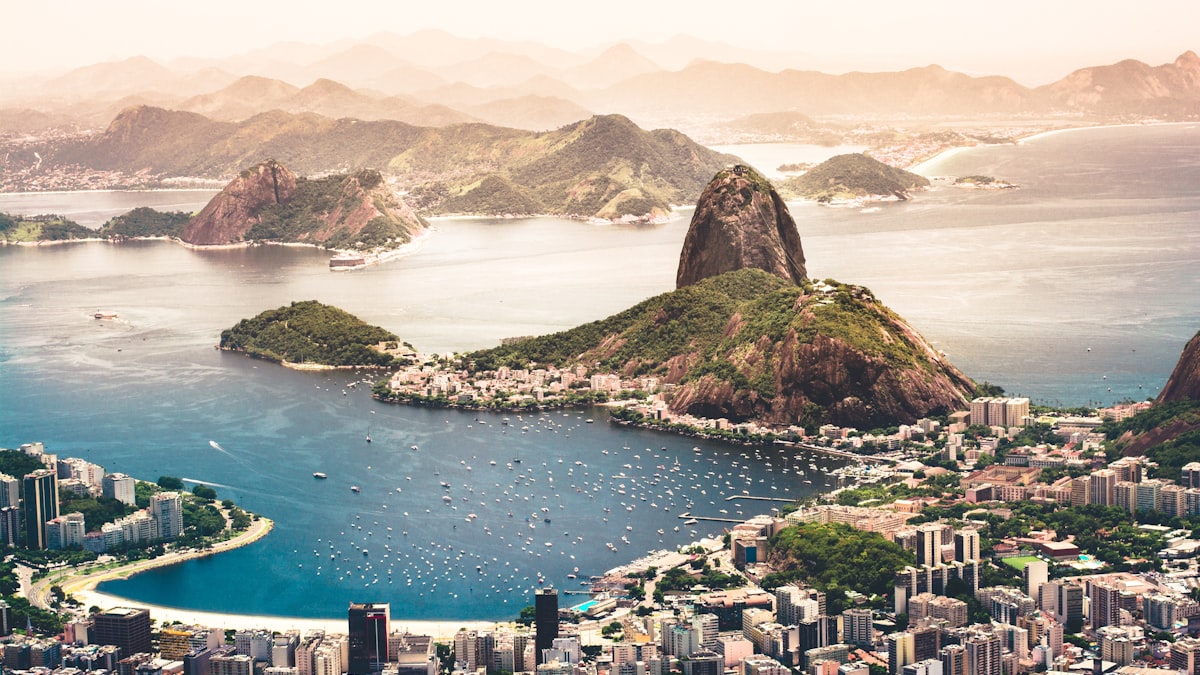
Mercosur Bloc: Member Countries and Economic Profile
Mercosur (Mercado Comun del Sur / Southern Common Market) was established by the Treaty of Asuncion in 1991. Its current membership includes:
| Country | GDP (2024 est.) | Key Exports to India | Key Imports from India |
|---|---|---|---|
| Brazil | USD 2.2 trillion | Crude oil, sugar, vegetable oils, cotton, iron ore | Pharmaceuticals, chemicals, auto components |
| Argentina | USD 640 billion | Vegetable oils, leather, mineral fuels | Chemicals, pharmaceuticals, textiles |
| Uruguay | USD 77 billion | Leather, wool, wood pulp | Pharmaceuticals, chemicals, cotton yarn |
| Paraguay | USD 44 billion | Vegetable oils, organic chemicals | Pharmaceuticals, cotton, textiles |
| Bolivia | USD 46 billion | Gold, tin, zinc, natural gas | Pharmaceuticals, textiles, machinery |
Venezuela remains a suspended member since December 2016 and is not party to the India-Mercosur PTA arrangements. Additionally, Chile, Colombia, Ecuador, Guyana, Peru, Panama, and Suriname are associate countries that participate in certain Mercosur trade liberalization measures but are not covered under the India-Mercosur PTA.

Current PTA Structure: Tariff Concessions and Product Coverage
The existing PTA operates on a fixed-margin preference system, where tariff concessions are applied as percentage reductions from the Most Favoured Nation (MFN) applied tariff rate.
India's Offer to Mercosur (452 Tariff Lines)
- 10% concession: 394 products — the bulk of coverage, including meat and meat products, organic and inorganic chemicals, dyes and pigments, raw hides and skins, leather articles, wool, cotton yarn, glass and glassware, articles of iron and steel, machinery items, and electrical equipment
- 20% concession: 45 products — selected higher-value categories
- 100% concession (duty-free): 13 products — specific items with full tariff elimination
Mercosur's Offer to India (450 Tariff Lines)
- 10% concession: 93 products — relatively fewer low-margin concessions
- 20% concession: 336 products — the majority of coverage, including food preparations, organic chemicals, pharmaceuticals, essential oils, plastics, rubber, machinery, and electrical equipment
- 100% concession (duty-free): 21 products — more duty-free items than India's offer
The asymmetry in concession levels — India offering mostly 10% margins while Mercosur offers mostly 20% margins — reflects the differing tariff structures and negotiating positions. For Indian exporters, the Mercosur 20% preference on 336 products provides more meaningful cost advantages than India's 10% preference for Mercosur importers on most goods.
How to Calculate the Preferential Duty
The PTA margin is applied to the MFN rate, not as the final tariff itself. For example, if Brazil's MFN tariff on an Indian pharmaceutical product is 14%, and the PTA provides a 20% margin of preference, the preferential duty would be:
14% × (1 - 0.20) = 11.2% effective tariff
Companies must file for the preferential rate using a Certificate of Origin issued by the exporting country's designated authority. In India, this is typically issued by the IEC-registered export promotion councils or the Federation of Indian Export Organisations (FIEO).
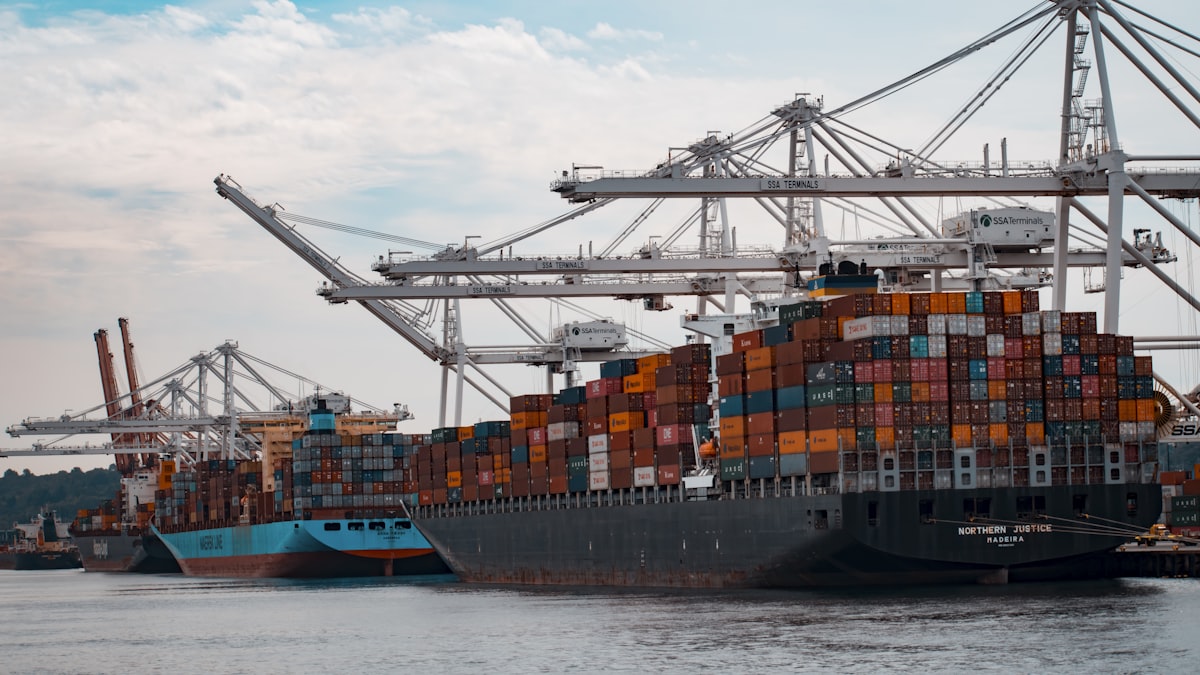
PTA Expansion: What Is Changing in 2026
The expansion negotiations represent the most significant development in India-Mercosur trade relations since the PTA's inception. Key aspects of the proposed expansion include:
Product Coverage Expansion
Both sides are examining proposals to substantially expand product coverage from approximately 450 tariff lines to between 1,500 and 2,000 tariff lines. This would transform the PTA from a narrow, symbolic agreement into a commercially meaningful preferential trade arrangement.
Priority sectors for expansion are expected to include:
- Pharmaceuticals and healthcare: India is already the world's largest generic drug supplier, and Brazil is Latin America's largest pharmaceutical market
- Chemicals and petrochemicals: Both countries have strong industrial bases in this sector
- Critical minerals and rare earths: India and Brazil signed a critical minerals partnership agreement in February 2026 to reduce dependence on Chinese supply chains
- Agricultural products: Brazil's agricultural powerhouse status and India's food processing ambitions create natural complementarities
- Automotive components: India's auto components industry (valued at over USD 70 billion) seeks deeper access to Brazilian and Argentine automotive markets
Non-Tariff Issues
Unlike the original PTA which focused exclusively on tariff concessions, the expanded agreement will address non-tariff barriers including:
- Sanitary and phytosanitary (SPS) measures for agricultural trade
- Technical barriers to trade (TBT) — mutual recognition of standards and certifications
- Customs facilitation — electronic certificates of origin, advance rulings
- Investment facilitation — streamlined procedures for establishing business presence
In a notable development, Brazil and India adopted electronic certificates for Mercosur trade in early 2026, replacing paper-based documentation. This digitization reduces clearance times and compliance costs for companies trading under PTA concessions.
Timeline and Negotiation Process
Both sides have committed to striving to conclude expansion negotiations within one year of establishing the technical dialogue. The Joint Administration Committee under Article 23 of the PTA will lead discussions on scope and modalities. Uruguay's Vice Minister of Foreign Affairs visited India in March 2026 to provide additional political direction.

India-Brazil Bilateral Trade: The PTA's Largest Corridor
Brazil accounts for the overwhelming majority of India-Mercosur trade, making the bilateral relationship central to the PTA's commercial relevance.
| Metric | Value | Period |
|---|---|---|
| Total bilateral trade | USD 15.2 billion | 2025 |
| Brazilian exports to India | USD 6.9 billion | 2025 |
| Indian exports to Brazil | USD 8.76 billion | 2025 |
| YoY trade growth | 25% | 2024-2025 |
| Target | USD 30 billion | By 2030 |
Key Sectors in India-Brazil Trade
Brazilian exports to India: Crude oil accounts for nearly 30% of Brazil's shipments to India in 2025. Sugar, vegetable oils, cotton, and iron ore make up the balance of commodity exports. ApexBrasil has identified 378 new export opportunities across minerals, machinery, food products, health technology, and renewable energy sectors.
Indian exports to Brazil: India's exports are concentrated in higher value-added segments — pharmaceuticals, chemical products, and automotive components. India has become Brazil's fifth-largest trading partner, reflecting the growing commercial interdependence.

Tax Treaty and Investment Framework
India-Brazil DTAA
The Double Taxation Avoidance Convention between India and Brazil, first signed in 1988 and amended in 2013 and 2022, provides tax certainty for cross-border investments. Key provisions include:
- Dividends: 15% withholding tax rate under DTAA
- Interest: 15% withholding tax rate
- Royalties: 15% withholding tax rate (reduced from domestic rates in both countries)
- Capital gains: Taxable in the country of residence, with exceptions for immovable property
The 2022 protocol amendment incorporated BEPS recommendations, including anti-abuse provisions, a Simplified Limitation of Benefits clause, and enhanced information exchange. Companies claiming DTAA benefits must comply with the withholding requirements of section 393(2) of the Income-tax Act, 2025 (Table, Sl. No. 17; section 195 of the Income-tax Act, 1961) and file Forms 145 and 146 (Forms 145 and 146 (formerly Forms 15CA and 15CB) under the 1961 Act) for remittances.
Bilateral Investment Treaty
The India-Brazil Bilateral Investment Treaty (BIT), signed in January 2020, takes a non-traditional approach by emphasizing state-to-state arbitration and dispute prevention rather than direct investor-state claims. This differs from India's older BITs, which permitted direct investor claims against governments. Companies establishing Indian operations from Brazil (or vice versa) should factor this dispute resolution structure into their investment risk assessment.
How Foreign Companies Can Leverage the PTA
For Indian Subsidiaries of Foreign Companies
If you operate a wholly owned subsidiary or private limited company in India and export to Mercosur countries, the PTA provides direct tariff advantages. Practical steps include:
- Identify eligible products: Cross-reference your export product codes (HS codes) against the PTA's 452-line offer list for Mercosur. The Department of Commerce maintains the complete list on its international trade portal.
- Obtain Certificate of Origin: Apply through FIEO or the relevant export promotion council. The certificate must be presented to Mercosur customs to claim the preferential tariff rate.
- Monitor expansion negotiations: If your products are not currently covered, track the ongoing expansion talks — your products may be included in the expanded 1,500-2,000 tariff line list.
- Maintain documentation: Keep records of manufacturing processes, input sourcing, and value-addition in India, as Mercosur customs authorities may request verification of origin.
For Mercosur Companies Entering India
Brazilian, Argentine, Uruguayan, and Paraguayan companies can use the PTA to reduce the cost of importing inputs into their Indian manufacturing operations. The process involves:
- Register an Indian entity: Establish a subsidiary or branch office through the standard company incorporation process.
- Obtain IEC: Register for an Import Export Code with the DGFT.
- Claim PTA benefits on imports: Present Mercosur-issued Certificates of Origin to Indian customs when importing goods covered under the PTA's 450-line concession list.
- File FEMA compliance: Report FC-GPR filings and annual FLA returns as required for foreign-owned entities.
BRICS and Strategic Convergence
India and Brazil are both founding members of BRICS (now expanded to include South Africa, Egypt, Ethiopia, Iran, and the UAE). The BRICS framework creates parallel channels for economic cooperation that complement the Mercosur PTA:
- New Development Bank (NDB): Provides infrastructure financing that supports trade-enabling projects in both countries
- BRICS Payment System: Discussions on alternative payment mechanisms could reduce transaction costs for India-Brazil trade
- Critical minerals partnership: The February 2026 agreement between India and Brazil on critical minerals and rare earths is aimed at reducing dependence on Chinese supply chains — a strategic priority for both countries
For companies involved in transfer pricing arrangements between Indian and Brazilian entities, the expanding bilateral tax and trade framework requires careful structuring to ensure arm's length compliance while maximizing PTA and DTAA benefits.
Key Takeaways
- The India-Mercosur PTA currently covers approximately 450 tariff lines with concessions ranging from 10% to 100%. India offers preferences on 452 lines (mostly at 10%), while Mercosur offers preferences on 450 lines (mostly at 20%).
- Expansion negotiations are actively underway to increase coverage to 1,500-2,000 tariff lines, with both sides targeting conclusion within one year. This would transform the PTA from a symbolic agreement into a commercially meaningful arrangement.
- India-Brazil bilateral trade reached USD 15.2 billion in 2025, up 25% year-on-year, with a joint target of USD 30 billion by 2030. Pharmaceuticals, chemicals, auto components, crude oil, and critical minerals are the key growth sectors.
- The India-Brazil DTAA caps withholding tax at 15% on dividends, interest, and royalties, with BEPS-aligned anti-abuse provisions added in the 2022 amendment.
- Companies should monitor the PTA expansion timeline closely — products not currently covered may gain preferential access within 12-18 months, creating first-mover advantages for early supply chain positioning.
Need help with Other Markets? Our team handles it.
Foreign Subsidiary Registration in IndiaFrequently Asked Questions
What is the India-Mercosur PTA?
The India-Mercosur Preferential Trade Agreement is a bilateral trade deal between India and the Mercosur bloc (Argentina, Brazil, Paraguay, Uruguay, and Bolivia). Operational since June 2009, it provides mutual tariff concessions on approximately 450 product categories, with reductions ranging from 10% to 100% of the MFN applied tariff.
How many products are covered under the India-Mercosur PTA?
India offers tariff concessions on 452 tariff lines (394 at 10%, 45 at 20%, and 13 at 100% duty-free). Mercosur offers concessions on 450 tariff lines (93 at 10%, 336 at 20%, and 21 at 100% duty-free). Expansion negotiations aim to increase this to 1,500-2,000 tariff lines.
When will the expanded India-Mercosur PTA take effect?
Both sides have committed to striving to conclude expansion negotiations within one year of establishing the technical dialogue, which began in late 2025. The expanded agreement could take effect by late 2026 or 2027, though this depends on negotiation progress across all Mercosur member states.
What is the India-Brazil bilateral trade target?
India and Brazil have agreed to double bilateral trade to USD 30 billion by 2030. Current bilateral trade reached USD 15.2 billion in 2025, up 25% year-on-year, making this target achievable if the PTA expansion proceeds as planned.
How do I claim preferential tariff rates under the PTA?
To claim PTA tariff concessions, exporters must obtain a Certificate of Origin from the designated authority in the exporting country. In India, this is issued by FIEO or relevant export promotion councils. The certificate must be presented to the importing country's customs authority along with standard trade documentation.
Does the India-Brazil DTAA reduce withholding taxes?
Yes. The India-Brazil DTAA caps withholding tax on dividends, interest, and royalties at 15%, which is lower than domestic rates in both countries. The 2022 protocol amendment added BEPS-aligned anti-abuse provisions and a Simplified Limitation of Benefits clause.
Can Brazilian companies set up manufacturing operations in India?
Yes. Brazilian companies can establish wholly owned subsidiaries in India under the automatic FDI route in most sectors. They must incorporate an Indian entity, obtain necessary registrations (GST, IEC, PAN), and comply with FEMA reporting requirements including FC-GPR filings and annual FLA returns.