India's AI Sector: The Scale of the Opportunity
India's artificial intelligence ecosystem has reached an inflection point. In 2025 alone, Amazon, Microsoft, and Google pledged a combined USD 67.5 billion in Indian investments — with approximately 80% of those commitments announced in December 2025 — primarily earmarked for data centres, AI compute infrastructure, and developer training programmes. India's AI market is projected to add USD 1.7 trillion to economic value by 2035, according to Nasscom-McKinsey estimates.
For foreign companies considering AI operations in India, the opportunity spans three dimensions: access to India's 5.4 million-strong software engineering talent pool, leveraging the government's heavily subsidised compute infrastructure under the IndiaAI Mission, and serving India's rapidly digitising domestic market of 800+ million internet users.
But establishing an AI company in India requires navigating a specific regulatory landscape that intersects FDI policy, emerging AI governance guidelines, intellectual property law, and data protection regulations. This guide covers each dimension with the specificity that foreign investors need.
FDI Framework for AI Companies in India
AI and machine learning businesses fall under India's IT/ITeS sector for FDI classification purposes, which permits 100% foreign direct investment under the automatic route. No prior government approval is required, and there are no sectoral caps.
Entity Structure Options
Foreign AI companies typically choose one of three structures:
| Structure | Best For | FDI Route | Minimum Capital |
|---|---|---|---|
| Wholly Owned Subsidiary (Pvt Ltd) | Full operations, IP development, client-facing | Automatic (100%) | No statutory minimum |
| Branch Office | R&D centre, export-only services | RBI approval required | No minimum, but RBI assesses viability |
| LLP | Consulting, advisory, smaller teams | Automatic (100% under automatic route for sectors where 100% FDI is allowed) | No minimum |
The private limited company is the most common structure for AI companies because it allows equity funding, ESOP issuance, and full operational flexibility. Registration takes 7-10 business days via the SPICe+ form.
Post-Incorporation FDI Compliance
After incorporating and receiving foreign investment, the company must file Form FC-GPR within 30 days of share allotment. The annual FLA return is due by July 15 each year. All foreign investment must comply with FEMA pricing norms — for unlisted companies, shares must be valued using the DCF method by a SEBI-registered merchant banker or Chartered Accountant.
Special Economic Zones and IT Parks
AI companies can establish operations in a Special Economic Zone (SEZ) or Software Technology Park (STP) to access additional benefits: customs duty exemption on imported equipment and simplified compliance procedures. The SEZ profit-linked deduction is now section 144 of the Income-tax Act, 2025 (section 10AA of the Income-tax Act, 1961), and section 144 is a grandfathering shell: only units that had already begun to manufacture or produce articles or things, or provide services, under section 10AA of the 1961 Act carry their remaining entitlement forward (100% of export profits for the first 5 years, then tapering). No new SEZ unit can enter the deduction, so an AI company setting up today must evaluate alternative incentive structures.

The IndiaAI Mission: Government Incentives for AI Companies
The IndiaAI Mission, launched in March 2024 with a budget of INR 10,372 crore (approximately USD 1.25 billion) over five years, represents the government's most significant intervention in the AI ecosystem. In the Union Budget 2025-26, the allocation was increased to INR 2,000 crore for the fiscal year alone.
Compute Infrastructure Subsidies
The Mission's flagship initiative is the IndiaAI Compute Capacity programme, which has deployed over 38,000 GPUs — more than triple the original target of 10,000 — with an additional 20,000 GPUs in the pipeline. The total allocation for compute capacity expansion is INR 4,563 crore over five years.
Key features for foreign-invested companies:
- Subsidised GPU access: Compute costs at INR 115-150 per GPU hour (42% below market rates), with further subsidies available for startups and academic researchers at under INR 100 per GPU hour
- 100% compute subsidy for startups building foundational AI models under the IndiaAI Innovation Centre programme
- Access criteria: Companies must be incorporated in India (foreign-invested subsidiaries qualify), working on AI/ML applications with demonstrable Indian market relevance
Other IndiaAI Mission Pillars
- IndiaAI Datasets Platform: Curated, anonymised public datasets for AI training across healthcare, agriculture, education, and governance domains
- IndiaAI FutureSkills: Talent development programmes — relevant for companies seeking to hire and train AI engineers
- IndiaAI Startup Financing: Seed funding and scale-up grants for AI startups, including those with foreign investment
- IndiaAI Application Development: Funding for deploying AI solutions in priority sectors including healthcare, agriculture, and education
India's AI Ethics and Governance Framework
India's approach to AI regulation is evolving rapidly. Unlike the EU's binding AI Act, India has adopted a "innovation over restraint" philosophy — voluntary governance guidelines rather than prescriptive legislation — though this is shifting towards harder regulation.
India AI Governance Guidelines (November 2025)
Released by the Ministry of Electronics and Information Technology (MeitY), these voluntary guidelines establish a techno-legal governance architecture covering:
- Risk classification: AI systems categorised into prohibited, high-risk, medium-risk, and low-risk categories. Social scoring and emotion inference in employment contexts are explicitly prohibited
- Algorithmic transparency: High-risk AI systems must provide explainability documentation, including model cards, data provenance reports, and bias audit results
- Data management: Requirements for data quality, provenance tracking, and consent management aligned with the DPDP Act
- Grievance redressal: Mandatory mechanisms for individuals affected by AI-driven decisions
Organisational Governance Requirements
The guidelines recommend a multi-tier governance structure for AI companies:
- AI Risk and Ethics Committee (AIREC): Board-level or senior management committee responsible for oversight of AI deployment
- Chief AI Risk Officer: Designated individual responsible for AI risk assessment and compliance
- Regular bias audits: Particularly for AI systems making decisions about employment, credit, insurance, or law enforcement
Artificial Intelligence (Ethics and Accountability) Bill, 2025
A Private Member's Bill introduced in December 2025 proposes statutory obligations including mandatory ethical reviews for high-risk AI systems, bias audits, developer accountability, restrictions on AI use in law enforcement and employment decisions, and penalties up to INR 5 crore for violations. While not yet law, it signals the direction of future regulation.
IT Rules Amendment (February 2026)
MeitY notified the IT (Intermediary Guidelines and Digital Media Ethics Code) Amendment Rules, 2026 on February 10, 2026 by G.S.R. 120(E), in force from February 20, 2026, targeting "synthetically generated information" (SGI) — content created or altered by AI that appears authentic. Key requirements:
- Mandatory prominent labelling of AI-generated content
- Metadata embedding for traceability
- A three-hour window under Rule 3(1)(d), cut from 36 hours, to remove unlawful information once a court order or a reasoned government intimation is received
AI companies generating synthetic content (text, images, video, voice) must build labelling and metadata systems into their products to comply.

Intellectual Property Protection for AI in India
Protecting AI innovations in India requires navigating a patent regime that is evolving to accommodate algorithmic inventions, alongside robust copyright and trade secret frameworks.
Patenting AI Innovations
India's patent law (Patents Act, 1970) excludes "mathematical methods," "business methods," and "computer programmes per se" from patentability under Section 3(k). However, the Computer-Related Inventions (CRI) Guidelines 2025, published on July 29, 2025, clarify the path for AI-related patents:
- Technical effect test: AI inventions are patentable if they produce a concrete "technical effect," "technical advancement," or "technical contribution" — the focus is on what the algorithm achieves, not the algorithm itself
- AI-assisted vs. AI-generated: Inventions developed with AI assistance (human inventor directing the process) are patentable. Fully autonomous AI-generated inventions without an identifiable human inventor are not recognised
- Grant rates: Approximately 86,000 AI patent applications were filed with the Indian Patent Office between 2010 and 2025, with a grant rate of around 0.37% — significantly lower than China (69.7%) and the USA (14.2%)
For foreign AI companies, this means: frame patent claims around the technical problem being solved and the technical effect achieved, not the underlying algorithm. Include hardware integration, sensor data processing, or real-world system improvements in claims wherever possible.
Copyright Protection
Software code is protectable under the Copyright Act, 1957, as a "literary work." AI-generated outputs (text, images, code) present unsettled questions — Indian courts have not yet definitively ruled on whether AI-generated works qualify for copyright protection, though the Copyright Office has indicated that a human author must be identified for registration.
Trade Secret Protection
India does not have a standalone trade secret statute. However, trade secrets (including AI training data, model weights, and proprietary algorithms) are protectable through contractual mechanisms (NDAs, employment agreements) and under common law principles of breach of confidence. The trade secret protection framework relies heavily on the strength of contractual documentation.
IP Assignment and Licensing
Foreign companies establishing AI R&D operations in India must carefully structure IP ownership. Key considerations:
- Employee inventions: Under the Patents Act, inventions created by employees in the course of employment belong to the employer. Ensure employment agreements explicitly assign all IP rights
- Transfer pricing on IP transfers: If IP developed in India is transferred to or licensed by the foreign parent, the transaction must be at arm's length with contemporaneous TP documentation
- Royalty payments: Royalties paid from India to a foreign company attract withholding tax as per the applicable DTAA (rates vary by treaty, typically ranging from 5-15%), or 20% plus surcharge and cess under domestic law (the 20% rate has applied since April 1, 2023) — section 207(2) (Table, Sl. Nos. 1 and 2) of the Income-tax Act, 2025 (section 115A of the Income-tax Act, 1961)
Data Protection: DPDP Act Compliance for AI Companies
The Digital Personal Data Protection Act, 2023 (DPDP Act) has entered its phased implementation and is particularly relevant for AI companies that process personal data for model training, inference, or service delivery.
Implementation Timeline
| Phase | Date | Requirements |
|---|---|---|
| Phase 1 | November 13, 2025 | Data Protection Board established, penalty framework activated |
| Phase 2 | November 13, 2026 | Consent Manager registration opens (India-incorporated entities with INR 2 crore+ net worth only) |
| Phase 3 | May 13, 2027 | Full compliance mandatory — consent systems, breach protocols, children's data protections, data subject rights |
AI-Specific Compliance Obligations
- Consent for training data: Using personal data for AI model training requires explicit consent. Unlike GDPR, the DPDP Act does not recognise "legitimate interests" as a legal basis — consent is the primary mechanism
- Automated decision-making: While the DPDP Act does not have a direct equivalent of GDPR's Article 22 (right not to be subject to automated decisions), the India AI Governance Guidelines recommend transparency and explainability for AI-driven decisions affecting individuals
- Children's data: Processing children's data (below 18 years) requires verifiable parental consent, and tracking, behavioural monitoring, and targeted advertising directed at children are prohibited
- Cross-border data transfer: Data can be transferred to any country not specifically restricted by the Central Government. As of March 2026, no restricted-country list has been notified
- Penalties: Up to INR 250 crore (approximately USD 30 million) for non-compliance

Tax Incentives and Considerations for AI Companies
Corporate Tax
AI companies incorporated in India (including foreign-invested subsidiaries) can opt for the concessional corporate tax rate of 22% (effective 25.17% with surcharge and cess) under section 200 read with section 205(1) of the Income-tax Act, 2025 (section 115BAA of the Income-tax Act, 1961). New manufacturing companies set up before March 31, 2024 could access the 15% concessional rate under section 115BAB of the Income-tax Act, 1961 (from 1 April 2026, section 201 (Table, Sl. No. 1) read with section 205(2) of the Income-tax Act, 2025); the window for new manufacturing companies closed on 31 March 2024, and the rate is not directly available to pure-play AI/software companies unless they have a manufacturing component (e.g., hardware integration).
R&D Tax Benefits
Section 45 of the Income-tax Act, 2025 (section 35 of the Income-tax Act, 1961) provides a 100% deduction for expenditure on in-house scientific research — covering salaries of R&D personnel, equipment, and materials used in research. AI companies with approved in-house R&D facilities (recognised by the Department of Scientific and Industrial Research, DSIR) can claim this deduction.
Startup Tax Holiday
AI startups recognised under the Startup India programme and incorporated before March 31, 2025 can claim a 100% tax holiday for any 3 consecutive years out of the first 10 years from incorporation under section 140 of the Income-tax Act, 2025 (section 80-IAC of the Income-tax Act, 1961). The company's turnover must not exceed INR 100 crore in the relevant year.
Transfer Pricing for Intercompany Services
AI subsidiaries providing R&D, data labelling, model training, or AI-as-a-service to their foreign parent must price these services at arm's length under India's transfer pricing rules. The TNMM (Transactional Net Margin Method) is the most commonly used method, with operating margins typically benchmarked at 15-25% for captive AI R&D centres.
Sector-Specific AI Opportunities and Regulatory Nuances
Healthcare AI
India's healthcare AI market is among the fastest-growing segments, driven by diagnostic imaging, drug discovery, and telemedicine applications. Foreign AI companies building healthcare solutions must navigate additional regulatory requirements: medical device software may require Central Drugs Standard Control Organisation (CDSCO) approval under the Medical Devices Rules, 2017. The classification depends on the software's intended use — clinical decision support systems that directly influence treatment decisions are classified as Class C or D medical devices requiring pre-market approval.
Financial Services AI
AI applications in lending, insurance underwriting, and fraud detection must comply with sector-specific regulations. RBI's guidelines on digital lending (August 2022, updated 2025) require that lending decisions made or assisted by AI must be explainable to borrowers. SEBI's framework for AI in securities markets requires algorithmic trading systems to undergo exchange-level testing and approval. IRDAI mandates that AI-driven insurance pricing models must not discriminate on prohibited grounds (caste, religion, gender).
EdTech AI
AI-driven educational technology platforms must comply with the DPDP Act's children's data provisions (verifiable parental consent for users under 18, prohibition on behavioural tracking and targeted advertising). The Digital Personal Data Protection Rules also require that AI systems processing children's data must not perform profiling that could cause significant effects on minors.
AgriTech AI
India's agricultural sector is a priority for the IndiaAI Mission, with dedicated datasets available on the IndiaAI Datasets Platform for crop yield prediction, soil health analysis, and weather pattern modelling. Foreign AI companies targeting this sector can access subsidised compute and priority dataset access, with the government actively seeking AI solutions for precision agriculture across India's 150 million farming households.
Setting Up an AI R&D Centre: Practical Considerations
Office Location Strategy
Bengaluru dominates India's AI talent landscape, hosting R&D centres for Google DeepMind, Microsoft Research, Amazon AI, and hundreds of AI startups. Alternative hubs include Hyderabad (strong in enterprise AI and data analytics), Pune (engineering-focused AI), and Chennai (growing AI presence, lower costs). Tier-2 cities like Kochi and Thiruvananthapuram are emerging options with 20-30% lower talent costs.
Infrastructure Requirements
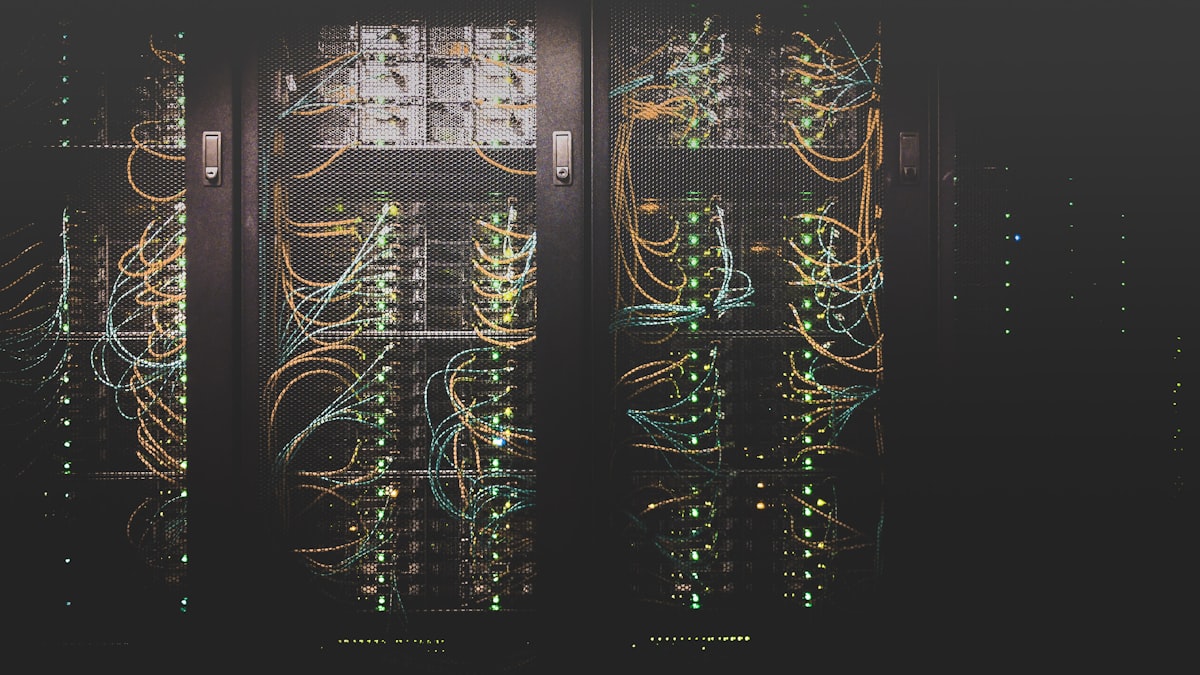
AI R&D operations require reliable high-bandwidth internet connectivity (most commercial office spaces in tier-1 cities offer 100 Mbps-1 Gbps leased lines), stable power supply (UPS and diesel backup standard in commercial buildings), and physical security for data handling (particularly relevant for DPDP Act compliance and client data protection). For companies running on-premises GPU clusters, colocation facilities in Mumbai, Chennai, and Hyderabad offer Tier-3+ data centre infrastructure at INR 8,000-15,000 per rack unit per month.
Legal and Contractual Framework
AI companies must establish comprehensive employment agreements with IP assignment clauses, invention assignment agreements, and non-disclosure agreements covering training data, model architectures, and proprietary algorithms. Given the competitive AI talent market, non-compete clauses are difficult to enforce in India (courts have generally held that unreasonable non-competes violate the Indian Contract Act, Section 27), making NDA protection and garden leave provisions more effective retention tools.
Hiring and Talent Considerations
AI Talent Pool
India produces approximately 1.5 million engineering graduates annually, with a growing specialisation in AI/ML. Cities like Bengaluru, Hyderabad, Pune, and Chennai are the primary AI talent hubs. Entry-level AI engineer salaries range from INR 8-15 lakh per annum, while experienced ML engineers command INR 30-80 lakh — still significantly lower than US and European equivalents.
Visa and Immigration
Foreign nationals working at AI companies in India require an Employment Visa. The minimum salary threshold is USD 25,000 per annum. Companies must also comply with FRRO registration requirements within 14 days of the employee's arrival.
ESOP Structuring
ESOPs are critical for attracting top AI talent in India. Foreign-invested companies can issue ESOPs under Indian law (Companies Act, 2013, Section 62) with FEMA-compliant structuring. ESOPs in shares of the Indian subsidiary and the foreign parent company are both permissible, with different tax and FEMA implications for each.

Key Takeaways
- 100% FDI is permitted in AI/IT under the automatic route with no sectoral cap — a private limited subsidiary is the recommended structure for most foreign AI companies
- The IndiaAI Mission provides substantial subsidies — 38,000+ GPUs deployed at 42% below market rates, with 100% compute subsidies available for foundational model development
- AI governance is currently voluntary but hardening — the November 2025 guidelines establish risk classification and transparency requirements that are likely to become mandatory
- Patent AI innovations around technical effects, not algorithms — India's CRI Guidelines 2025 focus on the technical contribution test, and grant rates remain very low (0.37%)
- DPDP Act compliance is non-negotiable — full compliance mandatory by May 2027, with consent as the primary legal basis for processing personal data
For structuring your AI company's India entry — from entity setup to FDI advisory, tax planning, and ongoing annual compliance — contact our advisory team.
Need help with Technology Sectors? Our team handles it.
FDI AdvisoryFrequently Asked Questions
Can a foreign company set up a 100% owned AI subsidiary in India?
Yes. AI and IT services fall under sectors permitting 100% FDI under the automatic route. No prior government approval is needed. The most common structure is a private limited company incorporated via the SPICe+ form, which takes 7-10 business days.
What GPU subsidies are available for AI startups in India?
The IndiaAI Mission has deployed over 38,000 GPUs at rates 42% below market prices (INR 115-150 per GPU hour). Startups building foundational AI models can access 100% compute subsidies. Foreign-invested Indian subsidiaries are eligible if they are incorporated in India and working on AI applications with Indian market relevance.
Is AI-generated content regulated in India?
Yes. The IT Amendment Rules 2026 (effective February 20, 2026) require mandatory labelling of synthetically generated information (SGI) — any AI-created content that appears authentic. Platforms must embed metadata for traceability, and Rule 3(1)(d) now allows three hours, down from 36, to remove unlawful information after a court order or a reasoned government intimation.
Can AI inventions be patented in India?
Yes, if they produce a concrete technical effect or technical contribution. The CRI Guidelines 2025 clarify that the focus is on what the AI achieves, not the underlying algorithm. However, India's AI patent grant rate is approximately 0.37%, so claims must be carefully framed around technical problems and solutions.
How does the DPDP Act affect AI companies using personal data for training?
The DPDP Act requires explicit consent for processing personal data, including for AI model training. Unlike GDPR, legitimate interests is not a recognised legal basis. Full compliance is mandatory by May 13, 2027. Penalties for non-compliance can reach INR 250 crore (approximately USD 30 million).
What transfer pricing margins apply to captive AI R&D centres in India?
Captive AI R&D centres providing services to their foreign parent are typically benchmarked at operating margins of 15-25% using the Transactional Net Margin Method (TNMM). The exact margin depends on functions performed, assets employed, and risks assumed. Contemporaneous transfer pricing documentation is mandatory.
What is the corporate tax rate for AI companies in India?
AI companies can opt for the concessional corporate tax rate of 22% (effective 25.17% with surcharge and cess) under section 200 read with section 205(1) of the Income-tax Act, 2025 (section 115BAA of the Income-tax Act, 1961). Recognised startups incorporated before March 31, 2025 can claim a 100% tax holiday for 3 consecutive years out of 10 under section 140 of the Income-tax Act, 2025 (section 80-IAC of the Income-tax Act, 1961), subject to a turnover cap of INR 100 crore.