Why Livability Matters More Than Salary for Expat Assignments in India
Commute times differ sharply across India's four major expat metros. Peak-hour drives average 20 to 40 minutes in Hyderabad, 45 to 75 minutes in Bangalore, 45 to 90 minutes in Delhi-NCR, and 60 to 90 minutes in Mumbai. Delhi's 390-plus-kilometre metro network can cut that to 20 to 50 minutes for metro-connected corridors, making Hyderabad the fastest commute overall.
India's four primary expat destinations, Mumbai, Bangalore (Bengaluru), Delhi-NCR, and Hyderabad, each offer distinct advantages and trade-offs across the dimensions that define daily quality of life. This guide provides a data-driven comparison across commute times, personal safety, air quality, healthcare infrastructure, and overall livability to help you and your family make an informed choice before accepting an assignment or selecting a city for your company's foreign subsidiary.

Commute Reality: What Your Employer Will Not Tell You
The single biggest adjustment for most expats in India is the daily commute. Traffic in Indian metros operates on a fundamentally different scale than what most Western professionals have experienced. Peak-hour commute times of 60 to 90 minutes each way are standard, not exceptional, and Google Maps estimates should be treated as optimistic baselines that can double during monsoon season or festival periods.
Mumbai: Infrastructure Improving but Still Intense
Mumbai's commute experience depends heavily on your corridor. The city's suburban rail network, carrying over 7.5 million passengers daily, is the backbone of the city but is impractical for most expats due to extreme crowding. The Mumbai Metro has expanded significantly, with Metro Line 3 (Aqua Line) connecting key corridors and the Coastal Road project reducing north-south drive times by up to 40 minutes. Average commute times range from 45 to 90 minutes each way by car, depending on the corridor. Bandra to Nariman Point during peak hours can take 90 to 120 minutes.
Most expats in Mumbai hire a full-time driver (INR 18,000 to 30,000 per month plus fuel) or rely on Uber Premier. The driver-plus-car model is not a luxury in Mumbai; it is a practical necessity given narrow roads, aggressive driving norms, and limited parking.
Bangalore: Traffic Bottleneck with Metro Hope
Bangalore's traffic is widely considered India's worst relative to city size. The TomTom Traffic Index consistently ranks Bangalore among the world's most congested cities, with average commute times of 30 to 35 minutes for just 10 kilometres during peak hours. The Outer Ring Road, where most tech offices are located, is a daily bottleneck.
The Namma Metro Phase 2 expansion is progressively improving connectivity, but coverage remains limited. Most expats in Bangalore live in areas like Koramangala, Indiranagar, or Whitefield and commute 45 to 75 minutes each way. The saving grace is that Bangalore's tech culture is more flexible on work-from-home policies than other cities.
Delhi-NCR: Best Metro, Worst Air
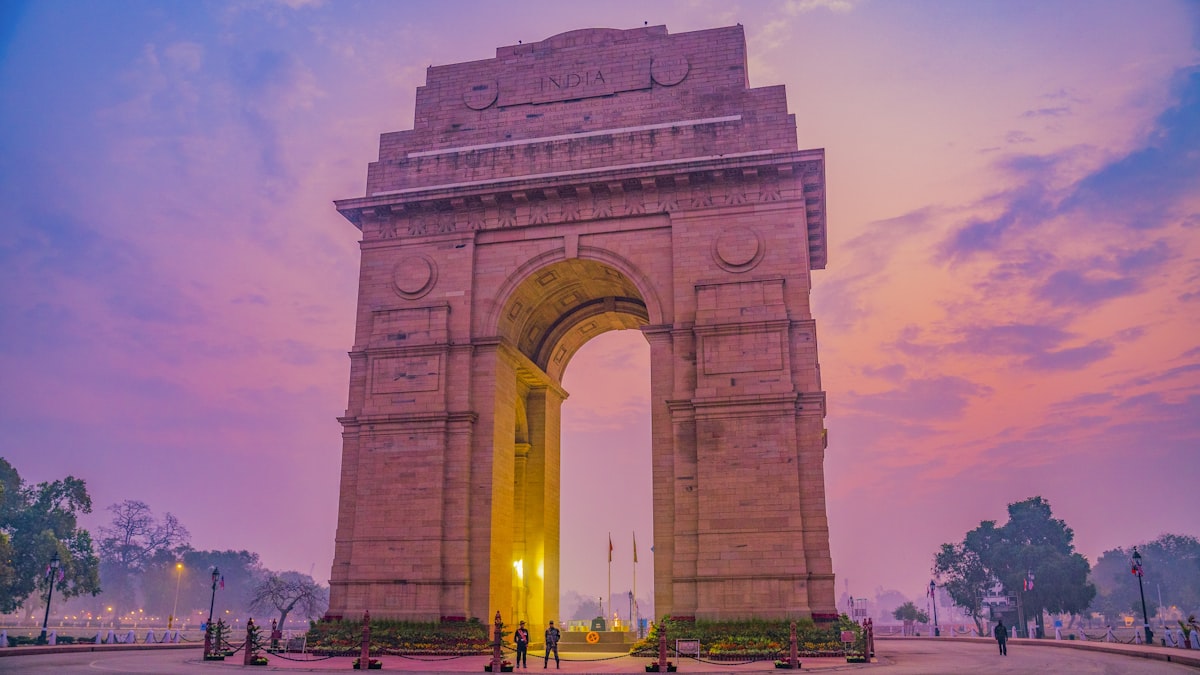
Delhi has India's most extensive metro network, spanning over 390 kilometres with 288 stations across 12 lines. The Delhi Metro carries an average of 46 lakh (4.6 million) passengers daily and offers a genuinely viable commute option for expats, particularly those living and working along metro corridors. Commute times on the metro range from 20 to 50 minutes for most office districts.
However, Delhi-NCR also means Gurgaon (Gurugram) and Noida, where many MNC offices are located. The Gurgaon commute from central Delhi can take 60 to 90 minutes by car during peak hours, even with the Dwarka Expressway improvements. Gurgaon's internal traffic has improved with the Rapid Metro (now integrated with Delhi Metro) but remains challenging.
Hyderabad: The Commute Sweet Spot
Hyderabad offers the best commute experience among India's four major expat cities. The city's infrastructure, including the Outer Ring Road, PVNR Expressway, and Hyderabad Metro, provides relatively efficient connectivity. Average commute times from HITEC City (the primary IT corridor) to residential areas like Gachibowli, Kondapur, or Banjara Hills range from 20 to 40 minutes. The Telangana government's proactive infrastructure investment, including flyovers, road widening, and metro expansion, has kept pace with the city's growth better than other metros.
Commute Comparison Summary
| Factor | Mumbai | Bangalore | Delhi-NCR | Hyderabad |
|---|---|---|---|---|
| Average Peak Commute (car) | 60-90 min | 45-75 min | 45-90 min | 20-40 min |
| Metro Coverage | Expanding (Line 3 live) | Limited (Phase 2 underway) | Excellent (390+ km) | Good (69 km, expanding) |
| Full-time Driver Cost (INR/month) | 18,000-30,000 | 15,000-25,000 | 15,000-28,000 | 12,000-22,000 |
| Ride-hailing Reliability | Good | Good | Good | Good |
| Monsoon Impact on Traffic | Severe (flooding) | Moderate | Moderate | Moderate |
Safety: What the Data Actually Shows
Safety is the most emotionally charged factor in expat location decisions, and also the one most distorted by media coverage and anecdotal reports. The reality for expatriates in Indian metro cities is more nuanced than headlines suggest.
Crime Statistics for Expats
Violent crime against foreign nationals in India's major metros is statistically rare. The vast majority of incidents affecting expats are property crimes (pickpocketing in crowded areas, phone snatching) and scams (overcharging by auto-rickshaws, fake tour operators). Serious violent crime against foreigners is concentrated in tourist areas of smaller cities, not in the corporate corridors of Mumbai, Bangalore, Delhi, or Hyderabad.
The Numbeo Safety Index 2026 provides useful benchmarking. Among India's major metros, the safety index scores are: Hyderabad (56.2), Mumbai (55.8), Chennai (58.4), Bangalore (52.1), and Delhi (41.3). For context, these scores are comparable to many Latin American and Southeast Asian capitals. Delhi-NCR consistently scores lower on safety perception, driven by higher reported street crime and well-publicised incidents.
City-by-City Safety Assessment
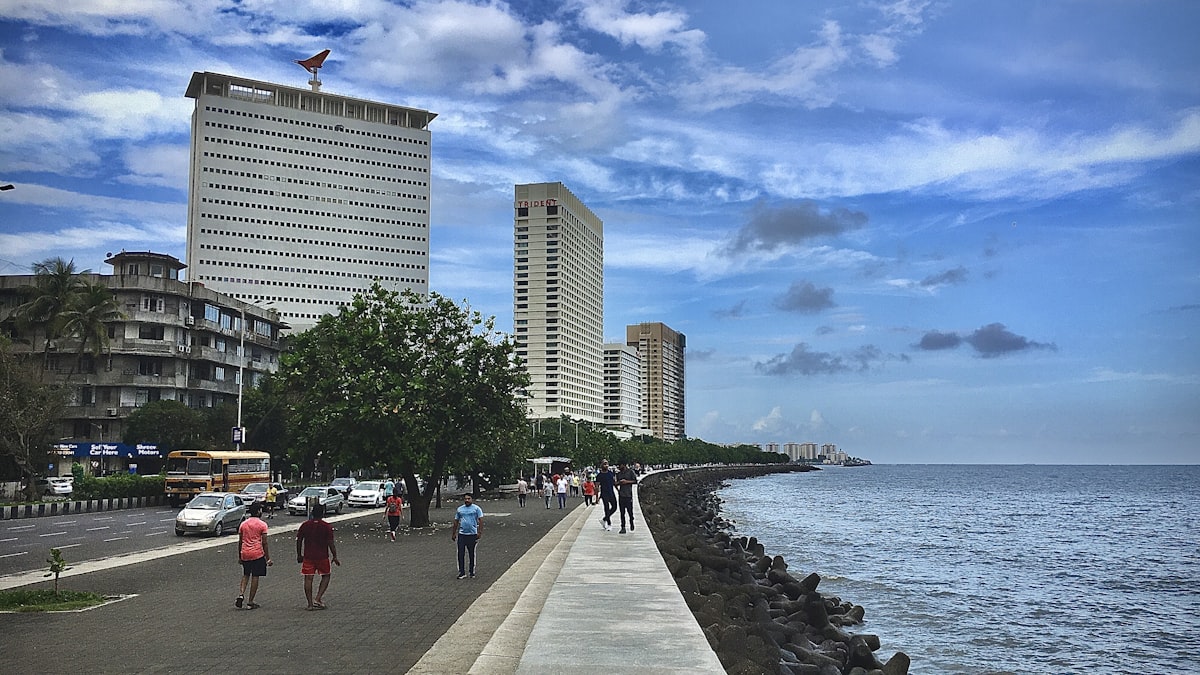
Mumbai: Generally considered the safest major metro for expats. The city's 24/7 culture means streets are populated at all hours, reducing opportunistic crime. South Mumbai (Colaba, Marine Drive, Bandra) is particularly safe. The main risk is petty crime in crowded areas like local train stations. Women expats report feeling safer in Mumbai than in Delhi-NCR.
Bangalore: Moderate safety profile. The tech corridors (Whitefield, Electronic City, Koramangala) are well-patrolled and have extensive CCTV coverage. Late-night safety in less developed areas can be a concern. Bangalore benefits from a relatively progressive social culture that makes it comfortable for diverse expat profiles.
Delhi-NCR: The most complex safety landscape among India's metros. Central Delhi (Lutyens' Zone, diplomatic areas of Chanakyapuri and Vasant Vihar) is heavily policed and safe. Gurgaon's gated communities and office complexes are secure. However, Delhi has higher rates of reported crime, particularly against women, and certain areas require more vigilance after dark. The presence of the diplomatic community has led to enhanced security infrastructure in key expat neighbourhoods.
Hyderabad: Among the safest metros for expats. The HITEC City and Gachibowli areas have modern infrastructure, well-lit roads, and active policing. Hyderabad's overall crime rate is lower than Mumbai, Bangalore, or Delhi. The city's culture is generally welcoming to foreign professionals.
Practical Safety Measures for All Cities
For a deeper dive into health and safety considerations, see our dedicated health and safety guide for expats in India. Regardless of which city you choose, certain precautions apply universally. Use only registered ride-hailing services (Uber, Ola) rather than hailing vehicles from the street. Live in gated communities or apartment complexes with 24/7 security. Share your live location with colleagues or family when travelling after dark. Register with your country's embassy and enrol in their emergency notification system. Keep digital copies of all identity documents, including your PAN card and FRRO registration certificate.
Air Quality: The Factor That Changes Everything
Air quality is the single biggest health-related concern for expats in India, and the one most likely to influence your city choice. The differences between cities are dramatic and have direct implications for your family's health, daily routine, and even your children's school selection.
AQI Comparison by City
India's average PM2.5 concentration in 2024 was 50.6 micrograms per cubic metre, approximately 10 times the WHO annual guideline of 5 micrograms per cubic metre. However, city-level variations are enormous.
| City | Annual Average AQI | Winter Peak AQI (Oct-Feb) | Best Season AQI (Jul-Sep) | WHO Guideline Compliance |
|---|---|---|---|---|
| Delhi-NCR | 170-220 | 300-500+ (Hazardous) | 80-120 | Never |
| Mumbai | 90-130 | 150-200 | 50-80 | Monsoon only |
| Bangalore | 80-120 | 120-160 | 50-80 | Monsoon only |
| Hyderabad | 70-110 | 100-150 | 40-70 | Monsoon months |
Delhi-NCR's air quality is in a different category entirely. During winter months (October to February), AQI levels routinely exceed 300, reaching 500+ during stubble-burning season. This is classified as hazardous, meaning outdoor activity should be avoided entirely. Many expat families in Delhi install hospital-grade air purifiers costing INR 30,000 to 80,000 per room, restrict children's outdoor play from November through February, and consider temporary relocation during the worst weeks.
Bangalore and Hyderabad offer significantly better air quality. Bangalore's year-round pleasant climate (20 to 35 degrees Celsius) means outdoor activity is viable throughout the year. Hyderabad's AQI is the best among the four cities, with most months falling in the moderate to satisfactory range.
Impact on Families with Children
If you have school-age children, air quality should be a primary decision factor. International schools in Delhi-NCR increasingly install indoor air filtration systems, but recess and sports activities are frequently cancelled during winter months. Some schools, like The British School and Pathways, have invested in enclosed indoor sports facilities specifically to address this issue. In Bangalore and Hyderabad, outdoor sports and activities continue year-round without air quality restrictions.
Healthcare Access: World-Class but Uneven
India's private hospital network in major metros is genuinely world-class for most medical needs. The gap between private and public healthcare, however, is enormous. Expats should exclusively plan around private hospital networks and ensure their insurance covers treatment at premium facilities.
Hospital Networks by City
| City | Top Expat Hospitals | Specialist Consultation Fee (INR) | Emergency Response Quality |
|---|---|---|---|
| Mumbai | Kokilaben Ambani, Breach Candy, Jaslok, Hinduja | 1,500-3,000 | Excellent |
| Bangalore | Manipal Hospital, Apollo, Narayana Health, Aster CMI | 1,000-2,500 | Good |
| Delhi-NCR | Max, Medanta (Gurgaon), Fortis, AIIMS | 1,200-3,000 | Good to Excellent |
| Hyderabad | Apollo, CARE, Yashoda, AIG | 800-2,000 | Good |
All four cities have hospitals accredited by JCI (Joint Commission International) or NABH (National Accreditation Board for Hospitals), ensuring quality standards comparable to Western facilities. Most premium hospitals have dedicated international patient desks that handle insurance claims, translation, and coordinated care for foreign nationals.
For routine healthcare, many expats use concierge medical services like Portea Medical (home visits), MFine (teleconsultation), and Practo (specialist booking). These services are affordable and highly efficient. A specialist home visit typically costs INR 1,500 to 2,500, a fraction of comparable services in Western countries.
Health Insurance for Expats
Most multinational employers provide international health insurance through providers like Cigna, Aetna, Allianz Global, or BUPA. If your employer does not provide coverage, individual international health insurance costs approximately USD 150 to 300 per month for comprehensive coverage. Ensure your policy includes medical evacuation coverage, as certain complex procedures (organ transplants, specialised oncology) may require treatment in Singapore or Thailand.

Overall Livability: Beyond the Numbers
Climate and Lifestyle
Mumbai: Tropical climate with three distinct seasons: summer (March to May, 30 to 38 degrees Celsius), monsoon (June to September, heavy rainfall), and winter (October to February, 20 to 32 degrees Celsius). Mumbai offers the most cosmopolitan lifestyle in India, with diverse cuisine, vibrant nightlife, Bollywood culture, and a waterfront that defines the city's character. The cost of this lifestyle is extreme population density and the highest rents in India.
Bangalore: The most pleasant climate among India's metros, with temperatures rarely exceeding 35 degrees Celsius or dropping below 15 degrees Celsius. The city's tech-driven culture creates a progressive, startup-oriented social scene. Koramangala and Indiranagar offer walkable neighbourhoods with excellent restaurants, cafes, and co-working spaces. Bangalore consistently ranks as expats' favourite Indian city for quality of life.
Delhi-NCR: Extreme climate with scorching summers (45 degrees Celsius), bone-chilling winters (2 to 5 degrees Celsius), and the air quality challenge. Delhi compensates with India's richest cultural heritage, world-class restaurants, proximity to the Himalayas (weekend trips to Shimla and Manali), and the political and diplomatic energy of the national capital. Gurgaon's gated communities offer a curated expat lifestyle within purpose-built enclaves.
Hyderabad: Moderate climate with hot summers (38 to 42 degrees Celsius from April to June) and mild winters (15 to 28 degrees Celsius). The city combines historical charm (Charminar, Golconda Fort) with modern tech infrastructure (HITEC City). Hyderabad's biryani is legendary, and the cost of dining out is significantly lower than Mumbai or Delhi. The city's growing expat community, driven by GCC expansion, is creating new social infrastructure.
Expat Community and Social Life
The size and maturity of the expat community varies significantly by city. Mumbai has the largest and most established expat community, spanning decades of corporate assignments in finance, media, and manufacturing. Delhi-NCR's expat community is heavily diplomatic, with an active circuit of embassy events, cultural programmes, and international clubs. Bangalore's expat community is tech-oriented and younger, centred around startup events, tech meetups, and co-working spaces. Hyderabad's expat community is the fastest-growing but smallest, driven primarily by the GCC boom.
All four cities have active InterNations chapters, international women's clubs, and sports clubs (cricket, tennis, hash runs) that provide structured social opportunities. International schools are also a critical social hub for expat families, with active parent networks that ease integration. For detailed guidance on the relocation process, see our comprehensive expat relocation guide covering schools, housing, and daily life.
The Livability Index: Final Comparison
| Factor | Mumbai | Bangalore | Delhi-NCR | Hyderabad |
|---|---|---|---|---|
| Commute | 3/5 | 2/5 | 3/5 (metro), 2/5 (car) | 4/5 |
| Safety | 4/5 | 3.5/5 | 2.5/5 | 4/5 |
| Air Quality | 3/5 | 3.5/5 | 1/5 | 4/5 |
| Healthcare | 5/5 | 4/5 | 5/5 | 4/5 |
| Climate | 3/5 | 5/5 | 2/5 | 3.5/5 |
| Social & Culture | 5/5 | 4/5 | 4.5/5 | 3.5/5 |
| Cost of Living | 2/5 | 3.5/5 | 3/5 | 4.5/5 |
| Overall Livability | 3.6/5 | 3.6/5 | 3.0/5 | 3.9/5 |
The scores tell a clear story. Hyderabad offers the best overall livability package for expats who prioritise practical daily quality of life, with the best commute, best air quality, and lowest costs. Bangalore wins on climate and lifestyle if traffic congestion is manageable for your specific corridor. Mumbai is the choice for those who want the most cosmopolitan experience and are willing to pay a premium. Delhi-NCR is best for those whose roles require proximity to government, diplomacy, or the national capital's unique advantages, provided they can manage the air quality challenge.
Making Your Decision: A Framework
Rather than asking which city is best, ask which city is best for your specific situation. Consider these decision factors in order of priority:
If you have school-age children: Bangalore or Hyderabad, unless your children's school choice (specific curriculum or institution) anchors you elsewhere. Air quality alone should make Delhi-NCR a careful consideration for families with young children.
If your role requires government interaction: Delhi-NCR is the only practical choice. Regulatory bodies (MCA, RBI, SEBI, CBDT) are headquartered in Delhi or Mumbai. For companies needing regular FEMA and RBI compliance interaction, proximity matters.
If your company is setting up a tech centre or GCC: Bangalore or Hyderabad, depending on your talent needs and budget. See our detailed GCC location selection guide for a deeper analysis.
If cost efficiency is the priority: Hyderabad, where the combined advantage of lower rent, lower commute costs, and lower food costs can save an expat family INR 50,000 to 80,000 per month compared to Mumbai.
For companies establishing their first India presence through a wholly owned subsidiary or branch office, the city choice should align with both the business function and the assignee's livability preferences. An unhappy expat is an unproductive one, and assignment failures cost companies an estimated 3 to 5 times the annual compensation package.
Key Takeaways
- Hyderabad scores highest on overall livability for expats, offering the best commute times (20 to 40 minutes), best air quality (AQI 70 to 110), lowest costs, and strong safety, making it the smart default choice for quality-of-life-conscious relocations.
- Bangalore wins on climate and lifestyle with year-round pleasant temperatures (20 to 35 degrees Celsius) and the most progressive social scene, but traffic congestion (45 to 75 minute commutes) and rising costs are real trade-offs.
- Delhi-NCR's air quality is a health risk during October to February (AQI 300 to 500+), making it a difficult choice for families with young children despite having India's best metro network and richest cultural scene.
- Mumbai offers the most cosmopolitan experience and strongest healthcare infrastructure, but at India's highest cost of living, with rents 40 to 60% higher than Hyderabad and commute times averaging 60 to 90 minutes.
- Hire a driver, invest in air purifiers, join expat networks immediately: these three actions materially improve livability in any Indian metro, regardless of your city choice.
Need help with City Comparisons? Our team handles it.
India Entry StrategyFrequently Asked Questions
How does air quality compare across Indian metro cities?
Hyderabad has the best air quality among India's four major expat cities, with an annual average AQI of 70-110. Bangalore follows closely at 80-120. Delhi-NCR has the worst air quality, with winter AQI routinely exceeding 300-500, classified as hazardous by WHO standards.
How do commute times compare across Indian metro cities?
Average peak-hour commutes by car are: Hyderabad 20-40 minutes, Bangalore 45-75 minutes, Mumbai 60-90 minutes, and Delhi-NCR 45-90 minutes. Delhi has the best metro network (390+ km) which can reduce commute times to 20-50 minutes for metro-connected corridors.
How does safety compare across Indian cities for expats?
Violent crime against foreign nationals in India's major metros is statistically rare. Mumbai and Hyderabad are generally considered the safest for expats. Most incidents are petty crimes like pickpocketing. Living in gated communities and using ride-hailing apps significantly reduces risk.
Should I hire a driver as an expat in India?
Yes, most expats hire full-time drivers. Monthly costs range from INR 12,000-22,000 in Hyderabad to INR 18,000-30,000 in Mumbai, plus fuel. Given traffic conditions, driving norms, and limited parking, a driver is a practical necessity rather than a luxury.
Which Indian city is best for expat families with children?
Bangalore and Hyderabad are best for families with children due to better air quality (enabling year-round outdoor activity), moderate costs, and growing international school options. Delhi-NCR's hazardous winter air quality makes it challenging for families, despite having the most international school choices.
How good is healthcare for expats in Indian cities?
Private healthcare in India's major metros is world-class. JCI and NABH-accredited hospitals in all four cities provide care comparable to Western facilities. Specialist consultations cost INR 800-3,000. Most multinational employers provide international health insurance through Cigna, Aetna, or Allianz.
What is the Numbeo Safety Index score for Indian metro cities?
The Numbeo Safety Index 2026 scores are: Chennai 58.4, Hyderabad 56.2, Mumbai 55.8, Bangalore 52.1, and Delhi 41.3. These scores are comparable to many Latin American and Southeast Asian capitals. Delhi consistently scores lowest due to higher reported street crime.